If you’re someone who is going through both radiation and chemotherapy, some of the side effects can be really rough.One of the most common ones is mucositis, which is very common. It happens with immune systems that are weakened due to the different noncancerous issues that happen. This can be debilitating, painful, and it’s basically tissue inflammation of the mucous membranes. This is something that occurs in almost all people getting neck and head treatments for cancer, and almost half of the people who get chemo. The good thing about this, is that there are ways to properly manage everything that’s going on in there.
What Mucositis is
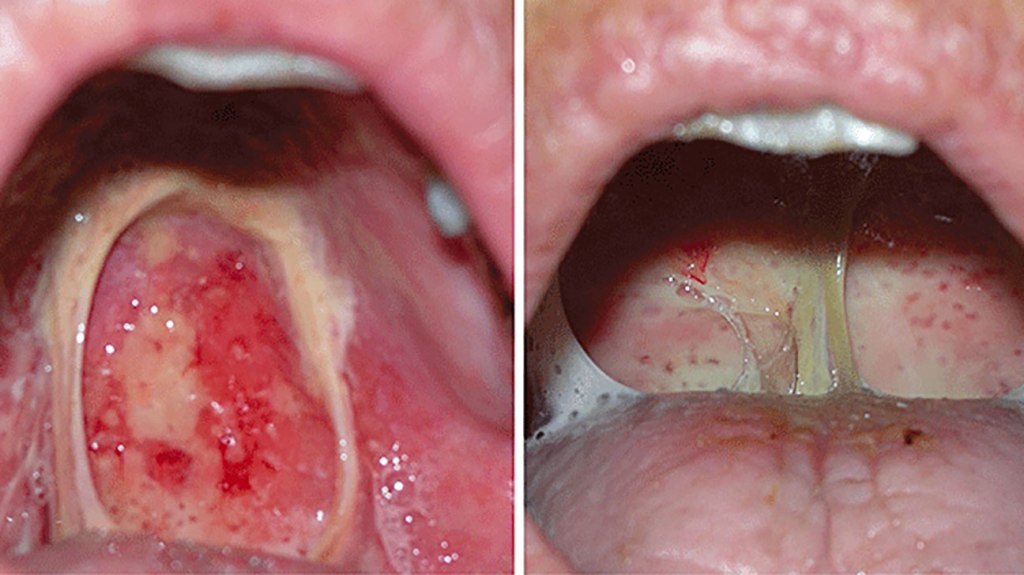
This is something that happens whenever chemotherapy drugs are used, as they attack both the bad, but also the good cells within this. Basically, this attacks the ones within the lining of the mouth, causing ulcers, infections, and the like. It also weakens the immune system, and it can reduce the resistance to fight this off. Some of the common symptoms of mucositis include:
- Sores, a red, or swollen mouth
- Lesions and ulcers
- A mouth that bleeds
- White pus or patches within the mouth
- Thick saliva or more mouth mucosa
There are other tissues that get impacted by this too, including gums and the tongue, and these get impacted.This can make eating, swallowing, and even talking quite painful. It also causes intolerance to drinks and foods, and this causes dehydration, or malnutrition too in some people. This can also cause what’s called lichenoid mucositis too in some cases.
Treatment Options
There are a few treatments that you can get for this. First, talk to the dentist to discuss the best way to manage and treat this, and reduce the risk for this too. For home remedies, you want to suck on ice chips, but don’t chew them after and before the treatment that you get. You can also do this with fruit that’s frozen. A saltwater rinse also can help reduce the severity that’s there. Try to avoid foods that are salty, spicy, filled with acids, dry, caffeinated, or hot, as this can irritate the tissues of the mouth.
You’ll want to eat more non-irritating soft foods such as yogurt, mashed potatoes, oatmeal, smoothies, and pasta. You’ll also want to have fruits that are seedless, and high in water too. Foods that have olive or canola oils are also great too, as they are slippery, which can help.
You want to make sure that you’re drinking a lot more water. Try to avoid anything with caffeine, and alcohol too.When you’re using different oral care products, try to avoid mouthwash that’s got alcohol in it. Maintain your oral care routines as well and try to floss at least once daily. Try to avoid having tobacco products, so if you chew or smoke, avoid doing this.
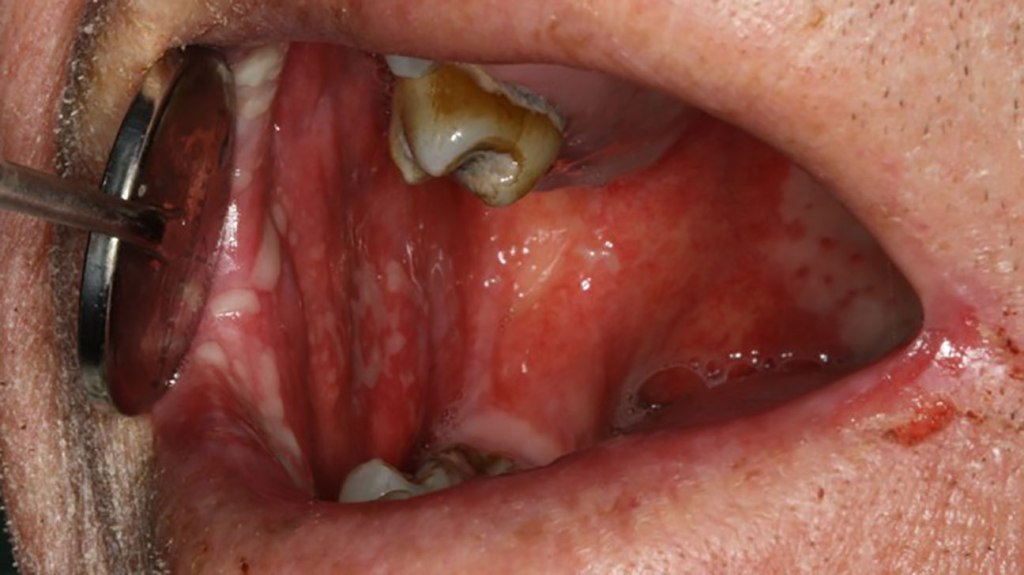
You’ll also want to ask your doctor if they have magic mouthwash, or magic mud, since this includes a lot of different elements, and it can be good for this. If you’re still having trouble, the doctor might give you sprays and gels for numbing, corticosteroids and benzylamine in order to help alleviate the pain, or even a numbing mouthwash to help with the insides. You may also get some protectants that are on the lining of the mouth, and also near the nerves.
This is all available, and the cool thing is, once you’ve finished these treatments, you won’t have to worry about this. So it is a temporary thing, but it is painful regardless.
 Mouth Health