One in ten people in America have some kind of diabetes, and while not many know a lot about the dental issues they have, you should always educate yourself. Here, we’ll go over what type 1 diabetes does for your oral health, and how it connects.
What Type 1 Diabetes Is
Type 1 diabetes is one that affects people of all weight, body type, and their race. It happens when the pancreas isn’t able to create enough insulin, a hormone that can control the sugar inside you. Without the production of insulin, sugar is unable to get into the cells, and then builds up within the bloodstream. Those with type 1 diabetes do need to take the right amount of insulin and control their blood sugar.
Genetics and the environment do play a role in this, and it is manageable in those with the right diet, medications, exercise, and overall care.
The Symptoms Exhibited by Children with this Condition
The earlier the detection, the better. Type 1 diabetes is very common in children and infants, but it can happen at every age.
The most common types of symptoms do include:
- Urinating often
- Extreme hunger and thirst
- Weight loss despite a very normalized diet
- Injuries that take a while to heal
- Fatigue
- Blurred vision
If you notice your child wetting the bed a lot after they’ve gotten potty trained, this might be an indication of the presence of type 1 diabetes.
Oral Complications
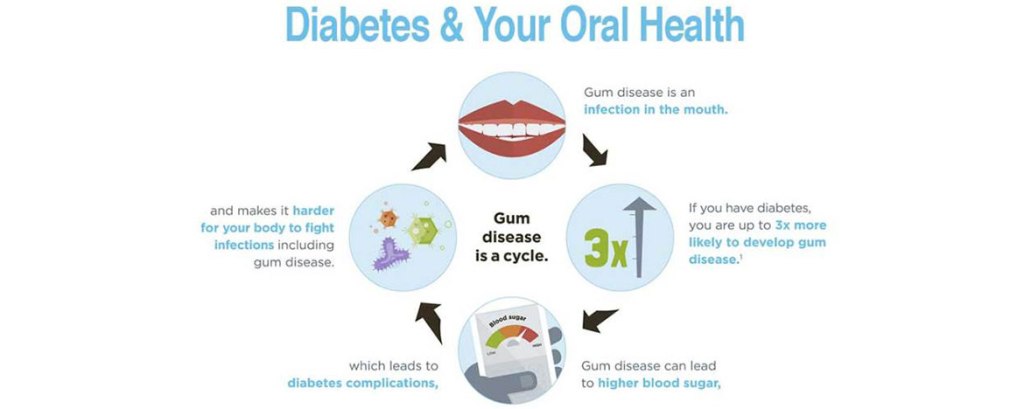
What is the relationship between tooth problems and type 1 diabetes? According to the ADA, periodontal disease is far more common in those who have diabetes. The improper control of blood sugar does cause a lot of side effects, especially when they’re not managed.
Type 1 diabetes causes the following oral health conditions:
- Dry mouth because of not enough saliva
- A higher cavity risk
- Gum disease such a gingivitis and periodontitis when not treated
- A potential issue with tasting foods
- Higher risk of infection such as oral thrush.
- Slower wound healing
- Younger children might have teeth erupt far earlier than their peers do.
It’s vital that you recognize these issues and treat them early, so you’re able to inform yourself of what you wish to do.
How to prevent oral issues in those with Type 1 Diabetes
You can start to build that healthy link between dental health and type 1 diabetes. The first step is to know how to control your blood sugar. Diabetes causes issues with fighting off the bacteria, so getting rid of plaque is the first step for avoiding gum disease, and cavities as well.
The improper control of blood sugar also increases the risk for dental issues. But the good news is that treating your gum disease may help with control of the blood sugar that you have.
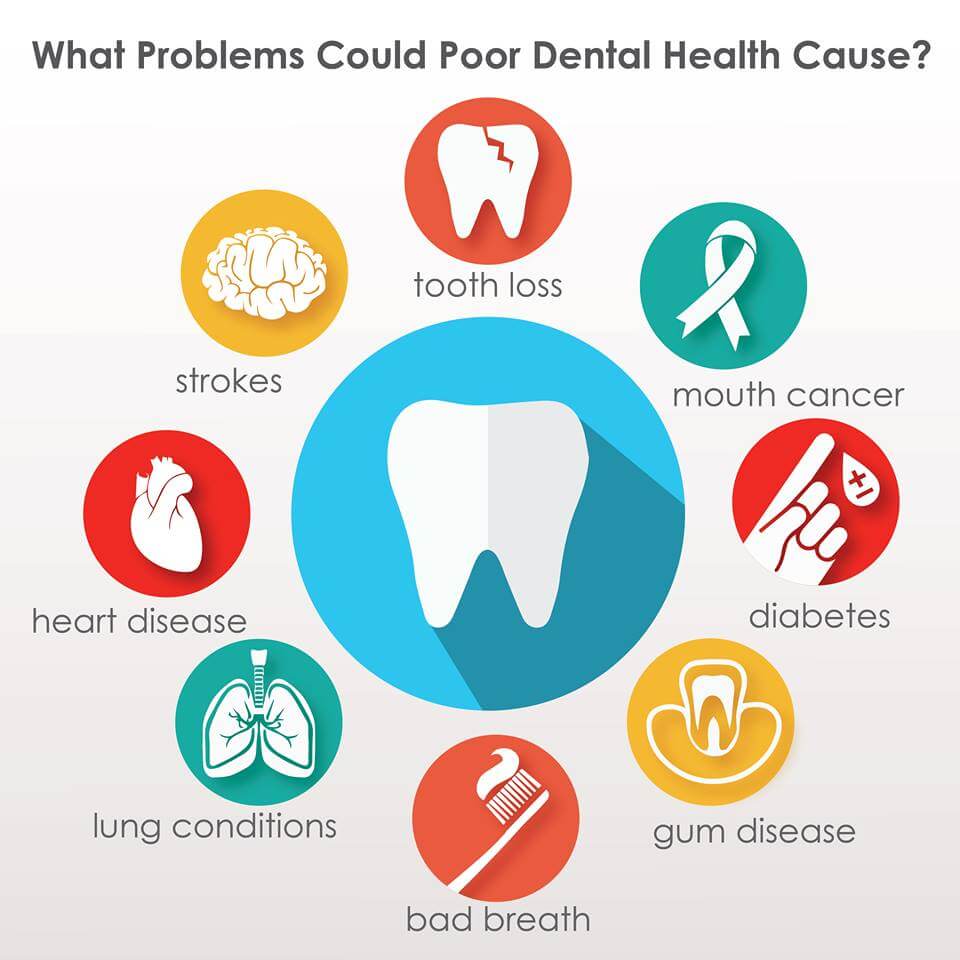
The best prevention tips are below:
- Follow the recommendations for controlling the blood sugar from the doctor
- Brush twice during the floss once a day to get between teeth
- Promote the production of saliva by chewing gum that’s guar free
- Avoid tobacco and smoking, as they dry out the mouth and are a bad oral habit
- Have a healthy diet, so that you’re able to take care of your oral health regularly
- Talk to your dentist on the regular and stay abreast of the possible problems that come with this.
Diabetes can be a troublesome condition to manage, but with these tips, you’ll be able to keep your oral health strong.
 Mouth Health