There’s a lot of new technology for flossing. Water floss, air flossers, and also interdental flossers. Here, we’ll go over each of them, and whether or not they are effective, and also various things to consider when using each of the tools.
Water flosser
Water flossers are pretty good for removal of plaque. This uses a motor to push a stream of pressurized water into the mouth through the tip. This can be hard, or it could be controlled for a more manageable water pressure. Such a force will remove plaque, food, and also bacteria, making it far easier to clean those hard-to-reach areas than with normal foods.
Water flossers tend to remove plaque pretty well. It also may stimulate the gum tissue, reducing bleeding. A big one is that it can reach those hard-to-reach areas that make it hard to get to with normal floss, especially for those with implants and bridges.
Through removal, it freshens the breath.
They’re also easy to use as well.
Water flossers are also just as effective or even more effective than normal flossing to get rid of plaque and boost gum health. However, you do need to be mindful that it is based on the technique, and also the water flosser that you use.
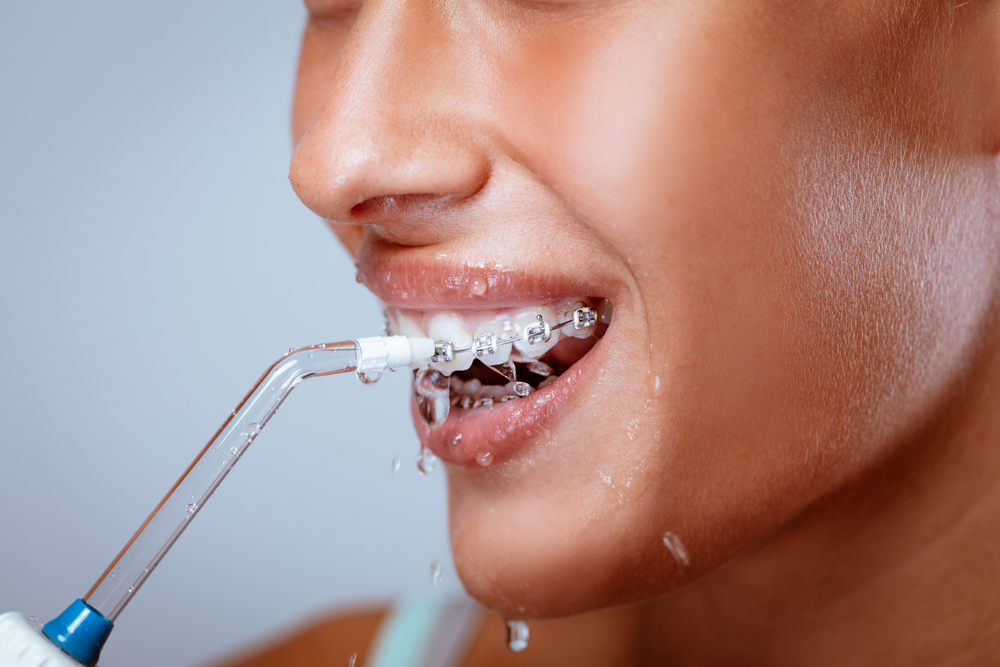
For those with braces or implants, it might be a bit too strong for them. so, make sure to talk to your dentist prior to using the water flosser, for your own personal benefits.
Air Flossers
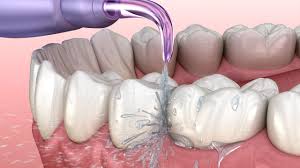
Another one that’s common is air flossers. This uses air, combined with water, to get rid of the plaque and gunk from a lot of areas hard to reach.
This one also has some effectiveness, as many who use air flossers like how much easier it is to floss and get to those hard to reach areas. It can also remove about 99% of plaque from various areas, making it really effective for cleaning up the mouth.
When compared to traditional floss, it is also just as effective, and it can sometimes be better. It’s also a lot easier to use, so for some who aren’t uterus and don’t like the high pressure of water, this works great.
Keep in mind though that this is not a replacement for brushing, and it never will be, so when you use it with brushing, it works.
Interdental Flossers
Known as interdental brushes, these are small brushes that can go in between various items, and also in between bigger gaps. For maras that also have a bit of sensitivity to flossing, it works great.
It’s much more comfortable than other types of flossing for some people. If you have braces and implants, I also may reduce the possibility of breakage of the brackets. Finally, it works just as well for bleeding and gingival inflammation.
But, it tends to be the least effective compared to others because if there’s tight gaps, it will not get in between there. It also may cause some bleeding when starting. Finally, they cost more than normal flossers and some of the other types.
All three of these methods are good for some people, and you should choose what works best for you. Regardless, you should always make sure to floss once a day, so that you are able to get the best results and take care of your oral health.
When you take care of the oral health problems now, it reduces them over time. So make sure you do so, for all the benefits you wish to have, and so that you’re able to get the results you wish to get.
 Mouth Health