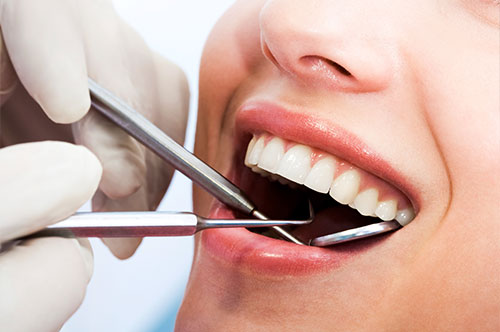
The Science Behind Oral health and Chewing Gum 

Oral health treatments come in a variety of different means. Brushing your teeth, flossing, the works. But, one treatment that’s recently been considered is chewing gum.   However, there are a few things you need to know about this, which we’ll go over here. 

The power of Sugar-Free 

Sugar-free gum is great for a variety of reasons, especially in reducing plaque and cavities. A lot of times, cavities and plaque are a result of the bacteria that’s on the enamel, not washed away. 

When you chew gum, you are stimulating saliva production.   This washes away bacteria, and will help to ensure that you aren’t having to worry about the bacteria being there. reduction of plaque and cavities means a reduction as well of problems in the mouth, so it’s worth looking at. 

How much Can Gum Do 

Gum does a lot.   While we know it for treatment of cavities, it also has benefits in the treatment of tooth sensitivity. Some note that there is far less sensitivity when a person chews gum than when it does not.   

The other thing that chewing gum does is that it stimulates saliva production in order to combat bad breath.   While gum already helps with the bad breath problem because it tastes good, after all of the flavor is gone, it helps with this. That is because the bacteria that you do have in your mouth is washed away and from there, the bacteria that causes problems are no more. 

What’s the research 

The research focuses on the effectiveness of gum and how it helps. 

The thing to remember is that gum is a temporary solution. A lot will consume it because they don’t have a brush on them, or don’t have access to brush and floss their teeth.   

It cannot replace brushing and flossing. This is because a toothbrush gets below the surface, and allows for a deeper cleaning.   Flossing gets in between the teeth, arguably just as good, if not better, than brushing the teeth. 

Gum is more superficial. While it works on surfaces, in order to get a deeper cleaning, you need to brush and also go to the doctor. 
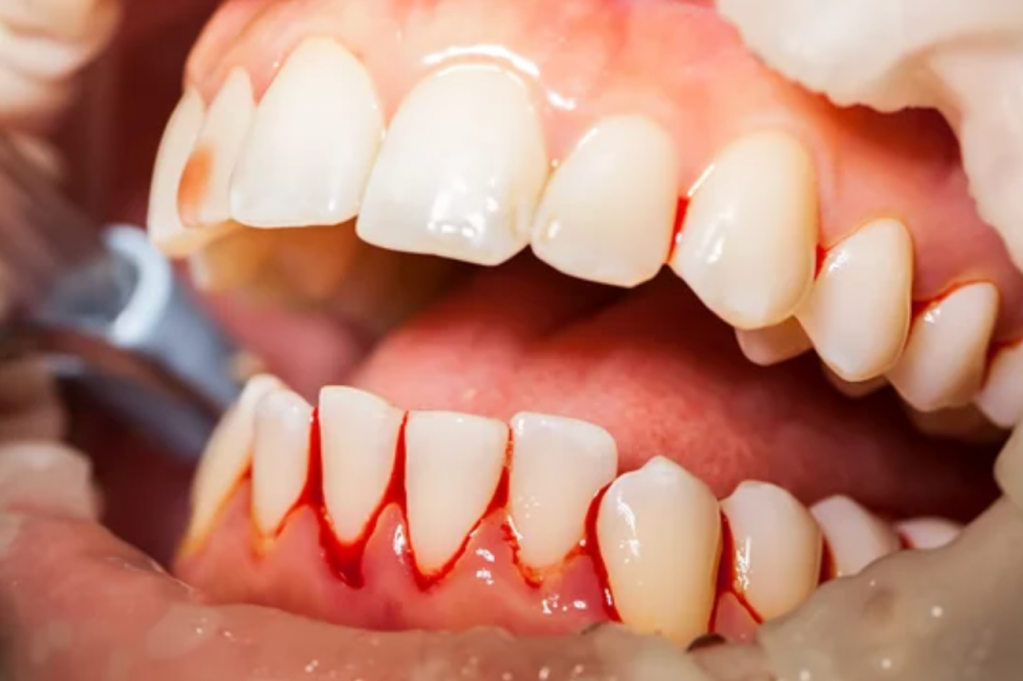
It also does not replace seeing a dentist. Dentists have machines that give deeper cleanings to your teeth, resulting in happier, healthier measures. So while yes, chewing gum is a great way to help stimulate oral care and production, it will not replace the brushing and flossing that you’re already doing. 

How should I use This Then? 

The best way to use gum is, after a meal, you get a piece of sugar-free gum out and begin to chew it. the xylitol, along with other components, helps with cleaning off the surfaces of the teeth, and helps as well to ensure that you have happy, healthier mouths. 
If you want to chew it after you’re done eating that’s fine.   It doesn’t have to be every time, but the more frequently you do it, the better your breath will be. 

It also works well for prevention of sensitivity and plaque. If you wake up one morning and your breath is vile, and you don’t have time to brush, just pop some gum in.

Overall, chewing gum has a lot of great benefits to it, and there is a reason why people enjoy it. However, remember that it can only go so far, because you’re not going to really be able to get a ton of benefits from it in the long-term, but does offer short-term plaque prevention solutions that are worth using whenever possible too. 
Women’s Hormones and Oral Health 

Women’s hormones affect a lot of things. Did you know that it also includes oral health? Yes, estrogen, progesterone, and even menopause affect your oral health, which is why here, we’ll talk about what can happen if you’re not careful. 

Puberty, Progesterone, and Gums 

Young girls may not notice the changes to their oral health, but puberty causes many physical changes. The biggest ones are estrogen and progesterone. This creates gum sensitivity and the possibility of germs creating problems. 

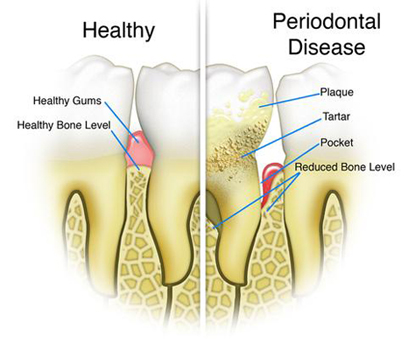
If not taken care of, such as through regular checkups, brushing twice daily and flossing once a day, it does lead to infection, redness of gums, bleeding and swelling, and may cause gingivitis. 

Menstruation and Oral health 

Every month women who are of childbearing age who aren’t pregnant deal with menstruation. We think about the cramps, bloating, and emotional effects. But there are hormonal changes throughout the menstrual cycle that create oral health changes. 

Sometimes canker sores, salivary glands being swollen, red gums that are swollen and bleeding gums all can happen right before a woman can get their period. Menstruation gingivitis, while rare, does happen right before one gets their period, and will clear up after. While temporary, this can lead to long-term problems if you’re not careful. 

Pregnancy and Gingivitis 

Pregnancy causes a lot of changes to a woman’s body. The biggest one is the immune response.   Sometimes, women’s immune systems go into overdrive, and can lead to sensitivity in many areas, including the gums. Pregnancy gingivitis is quite common, especially during the second and third trimester of pregnancy.   Getting regular cleaning and checking with your dentist on the same level as you would with the obstetrician and gynecologist during this phase of life is important.

Sometimes, gestational diabetes happens too, which can also negatively affect the gums and oral health

Menopause 

Menopause is when a woman stops producing her own estrogen. This is also when a woman stops getting her period as well. it can create changes in a woman’s oral health, especially due to the sudden drop of hormones. A changed taste, burning in he mouth, sensitivity to hot and cold, and even less saliva tends to happen to women during menopause. Definitely talk to your dentist if you have issues with your oral health, especially after this stage in life. 

Hormonal Birth Control Concerns 

Finally, there’s hormonal birth control. They do come with side effects, sometimes quite excessive. In some cases, it does lead to dry mouth for some female patients. The best thing to do is to talk to your dentist and if they notice this, get the help you need right away.

Take Charge of your Oral Health Today! 

As a woman, it’s vital to start taking care of your oral health the second that you realize there is a problem. Even when reading this, you should start to maintain your oral health.

Make sure to brush twice daily, but use a toothpaste containing fluoride.   Rinse and floss once a day, preferably with an alcohol-free mouthwash so it doesn’t dry out the mouth even more.

Try to go to the dentist twice a year for cleanings and exams. That way, if there is something going wrong, they can take care of it right then and there. 

Make sure you’re eating a diet that’s well-balanced, with plenty of fruits and vegetables.   Make sure you’re also eating foods that aren’t too sugary or starchy as well, as that will feed the bacteria. Try to drink as much water as you can too, in order to flush out that harmful bacteria that appears.