If you’re someone who goes outside a lot, you’ve probably heard about getting vitamin D. There are many different benefits in both a mental, and a physical manner, to getting this sunlight and treatment. One of these benefits is vitamin D, and the access to it.
Known as the “sunshine vitamin” this is a vital tool to improving your health overall and includes improving the gums and teeth. If you’re looking for the right impact that vitamin D has on one’s oral health, then look no further than here~!
What Vitamin D is
This is a vitamin that is fat soluble, so that your body will break this down with fat, rather than water. It also is important for calcium absorption. This is what’s responsible for building strong teeth and bones. Ty’s unique in it’s both a unique nutrient that you can get from food, but also something that the body is able to make whenever your skin gets exposed to the sun. along with strengthening up the bones, you can also use vitamin D to play a role in a variety of different bodily functions. Whether it’s improving your movement to the immunity of your body, this is really good for overall health and wellness too.
The Role of Vitamin D for your Teeth
This is important for teeth, as it helps with the absorption of calcium. It’s vital for the gums and teeth, and it can actually impact the oral health of people.
There are two primary oral health issues that happen if you don’t have enough vitamin D.
First, is tooth decay. Because vitamin D plays a large role in the retaining and adoption of calcium along with phosphorus for tooth and bone mineralization, this is vital. When you don’t have enough vitamin D, it does make your teeth way weaker, and makes you far more susceptible to fractures, cavities, and overall tooth decay. It also does create a larger instance of caries in your teeth.
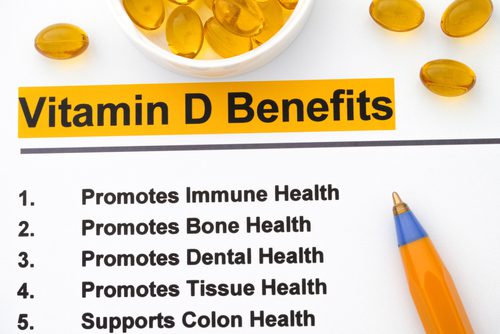
The second thing is periodontitis, which is actually connected to lower vitamin D levels. This is partially due to the connection that vitamin D has with the immune system. While not completely understood, when you have vitamin D, it reduces inflammation, helps with remineralization, and is good for the tissues that surround the teeth.
How much is needed?
Because of the prevalence of tooth decay and other issues within the mouth, you might want to check those vitamin D levels whenever possible. Did you know that the levels of Vitamin D in a lot of people is actually deficient and not adequate. You want to also look at the vitamin D levels that you have based on blood tests. If you’re worried about this, talk to the doctor.
The ideal is about 15 micrograms every single day for adults aged 19-50. You can usually get about 3 mcg of vitamin D in milk.
How to Get more
There are a few ways for you to get more vitamin D in your body.
The first is to go outside. The amount does vary, but sunscreen does prohibit the absorption of this, so keep this in mind. You should try to get out and get a little bit of sun.
The second thing is to eat cod liver oil, salmon, trout, and other foods higher in vitamin D. You can also get cereals and milk that are fortified with this vitamin too.

Finally consider a supplement. You can talk to your doctor about what you need to take, based on the needs that you have, and what works for you.
 Mouth Health