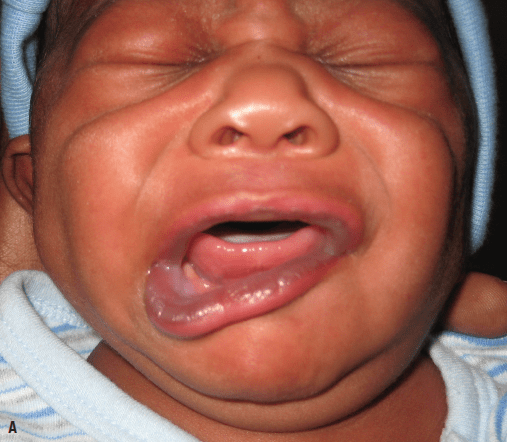
Asymmetric Crying Faces is a very rare condition, and about .2-.6% of infants deal with this. So what exactly is it? This is a condition that impacts infants, and it manifests in a way where the lower lip is not symmetric. It’s only one side, rather than both, and it only is seen when children cry. That means when a baby isn’t crying, the child’s face looks symmetrical, but the second they cry, one side of the face droops downwards.
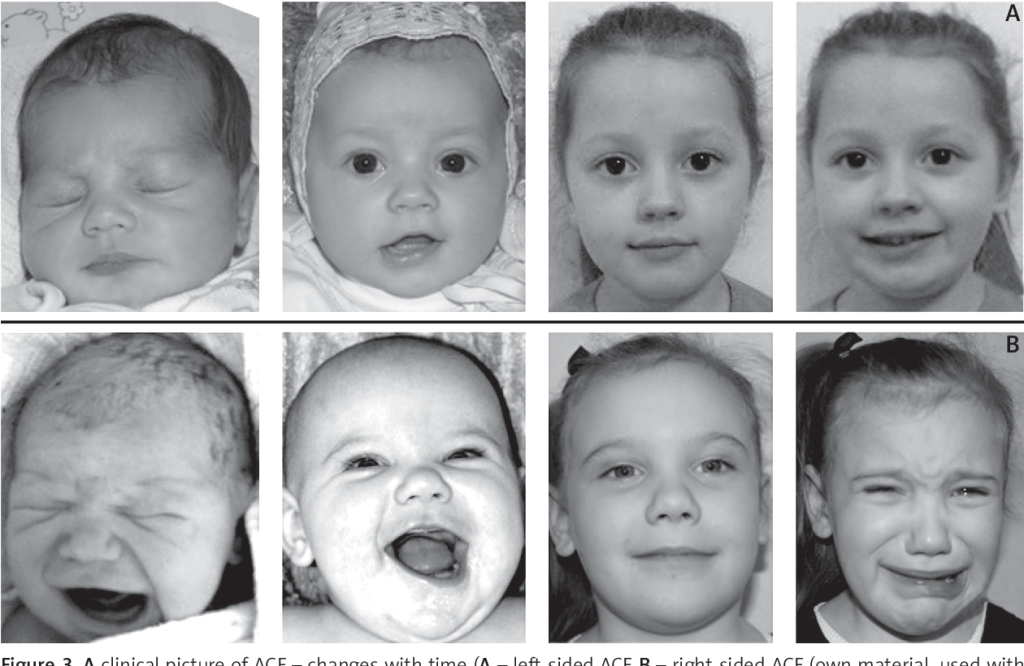
This is due to the weakness in the way the muscles work, and how it controls the way the lower lip moves downward. This is specifically found in the depressor labii inferioris. It also usually happens on the left side, as it occurs around 80% of instances.
The Causes
There are two major causes of this. First, is birth trauma, which is where the facial nerves that are responsible for the movements of the lips, can feel compressed, and it may be damaged due to the way it births.
It also may be due to developmental facial paralysis, which is mostly genetic in the way that it works, and it creates a sort of “facial palsy” when the child is born. About 10% of the children who have ACF end up with other developmental abnormalities. This is most commonly seen as defects of the heart, and it’s known as Cayler Syndrome.
The characteristics
The most common characteristic of this is usually the crying face and the way that it starts to droop downwards when a child cries. The lips as well might b e affected too as they seem thinner, or more inwards. The most common facial functions that get unaffected by this include:
- The eyelids closing normally within each side.
- The child can suck correctly, without any drool.
- The depths and the creases on the nose sides seem normal
- Both of the nostrils will dilate in a normal sense when the child breaths
- The forehead will wrinkle like it always does
Babies may have ACF even if they seem mostly normal, so as a parent, keep this in mind, and if you see something off, talk to a doctor about this.
The Treatment
Right now, treatment is not necessary for this, especially if the constant asymmetry of this starts to resolve as the child gets older. There may be other abnormalities to the child’s development, depending on the type of syndrome that they have. for children with palsy, it may require other treatments.
Usually, if there are treatments needed, it involves various procedures that involve surgery, which usually are targeted towards the nerves which are responsible for the way the fact looks. Some of the older children may also want to consider Botox injections, especially if there are major issues with facial symmetry, and as adults, they might need this.
The goal of this is to make sure that the facial muscles become symmetrical, and it results in a satisfaction that occurs cosmetically too. This is not a common condition though. This is very rare, with most cases involving this usually requiring no treatment. Most of them that do are even more abnormal. If you worry that your child may have this, you might want to talk to your doctor. Usually, genetic testing or prenatal care are usually the screening that helps a parent understand ACF, and a doctor will be able to look at the condition of the infant after birth, and from there make the choice that’s needed on what they must do, and the results of their efforts./
 Mouth Health