How to Fix Bad Breath and Dry Mouth 

Bad breath is something that we all have every single morning.

However, some of us have really bad breath, and it can be a bit embarrassing, and bring a self-conscious feeling to this.  The best way to prevent this is by practicing good dental health.

However, dry mouth also is the cause of bad breath, and that has so little to do with how you take care of your teeth.

However, there are ways to fix it, which is what we’re going to talk about here. 

The Cause of Dry Mouth 

The cause of this is a variety of reasons.  Vomiting, the flu, or dehydration are a lot of causes but those are temporary.

Sometimes, if you have diabetes or another medical condition, you may experience dry mouth.  It’s also a side effect that some medications have, including decongestants, antihistamines, pain meds, and muscle relaxants.  If you have a prescription for anxiety and high blood pressure medications, you might also suffer from dry mouth.
Finally, if you get chemotherapy, you might also deal with dry mouth. 

Bad Breath Reasons 

You may get bad breath sometimes from dry mouth, but that’s not always the case. 

How does it happen though? it’s actually not from the medication, but it’s actually chemicals present within the medicine.  They directly inhibit the production of saliva from the salivary glands. Saliva is responsible for hydration, getting rid of food particles from gums and teeth, and fighting off tooth decay.  Without the use of saliva, you’ll have more bacteria, dry mouth and oral parts of your mouth, and this creates bad breath.

Diagnosis of Dry Mouth 

You may have some problems in the mouth responsible for the production of dry mouth.

Woman using breath freshener

If the reason for dry mouth is your oral health, then periodontal disease, cavities, and the like might be the problem. 

If you’re taking medication that causes this, however, you should talk to a specialist, or even a physician, in order to take care of the issue at hand. 

Treatments and Prevention 

There are a few ways for you to treat dry mouth. Usually, it’s a two-step program. First, the doctor will give you some medication for the symptoms.  You may have bad breath, dental sores, and the like. If it’s caused by periodontitis, then a deep cleaning might happen.

They may also give you antibiotics to treat any infections that’ll happen. If this doesn’t go away, then you’ll get some tests for this, and you may also need to adjust the dosages and medications that are there. 

As for preventions, you’ll want to make sure that you look at alternatives so that you’re not dealing with bad breath. For those with limited medication options, or medical conditions, you might want to discuss this with your doctor.  The best way to prevent it in that case is to keep up with your oral care and hygiene, so that you prevent this development.

You should also engage in lifestyle changes too. There are certain products that prevent the formation of dry mouth, so make sure to ask about those. If you smoke, drink alcohol, or like caffeine, then you might also want to limit these habits as well.

There are a few causes for dry mouth, but you can improve this situation in a lot of cases. The best thing to do in this case is to make sure that you protect the mouth and the structures, engage in proper hygiene in order to have good breath that you can be proud of, and not hate as well! 
Pain in tooth Crowns 

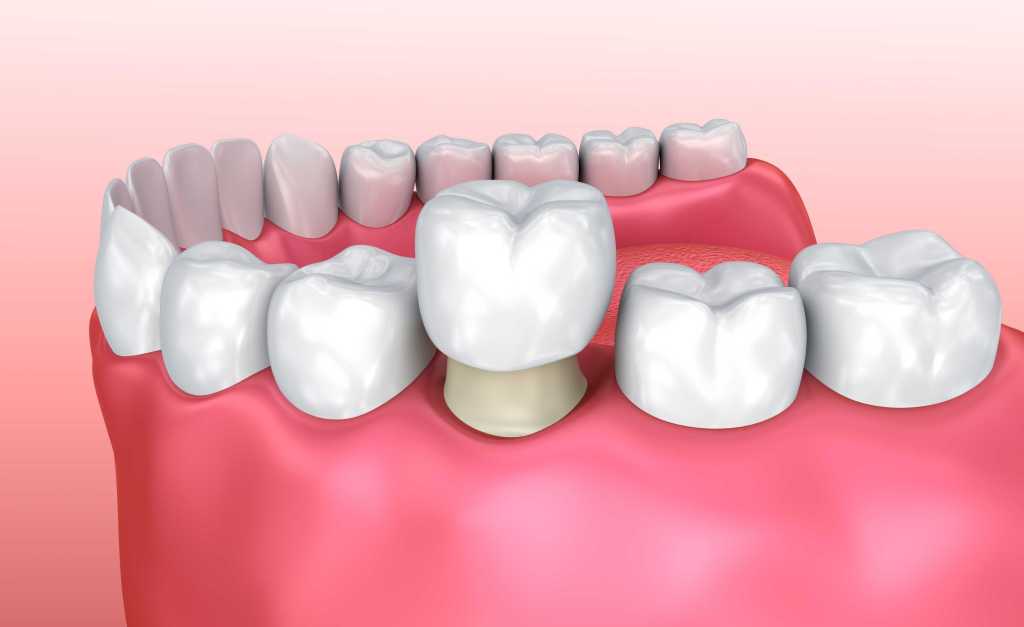
Dental professionals do need to put crowns on teeth that are decaying or damaged, and most of the time, it’s relatively painless.  However, there are some cases where if you add a tooth crown, it causes more sensitivity. For those with some level of sensitivity around teeth that are capped, you might want to know how to fix this, and the steps to improve this.  we’ve got your answers. 

What Crowns Are 

Crowns are basically a cap put over the tooth that’s decaying, damaged, or weak, in order to keep the size, shape, strength, and the appearance. They can last anywhere from five, up to 15 years, depending on the wearing of this, and how well you take care of them. 

Reasons for Crown Pain 

There are certain reasons for pain in the crown.

Some of them include the ones listed below. 

A nerve that’s traumatized or infected c and causes this.  This is because there might still be some nerve damage, even after the pulp of the tooth has been removed, and the pressure of the crown on this.  In this case, you might need to get a root canal and the removal of the crown.  They’ll get an access hole put in, do the root canal without having to replace this. While it’s complex, it saves money on the crowns as they can’t be used again once removed. 

Another reason is that you’re grinding your teeth. This is especially true if you grind at night, or if the teeth aren’t properly aligned.  The areas that are there on the teeth will start to rub together, and from there, you’ll experience some pain within the jaw muscles as well. sometimes, this long-lasting and occasional type of pain in the lower portions of the jaw and face. 

In order to prevent this, you’ll want to relax the jaw with a moist, warm washcloth prior to sleeping. Meditation can be used to reduce anxiety and stress, providing relief as well.

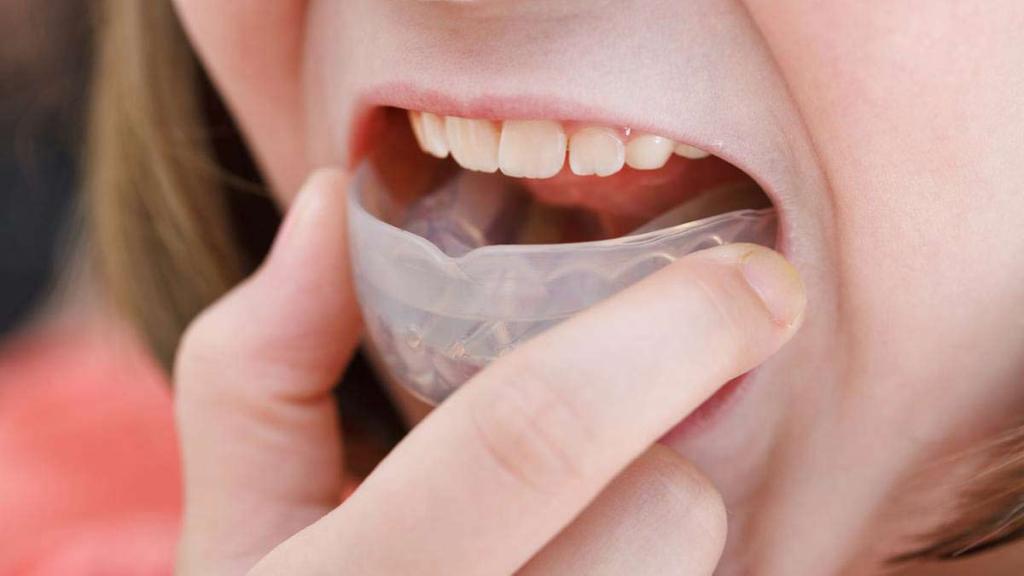
Mouth guards can also be another way to treat this.

If you’re still having trouble with grinding your teeth, then you’ll want to discuss this with your dentist.  Sometimes, biofeedback, which uses different sensors to look at the muscle contraction, can help you become aware of the clenching that you do with your teeth. You’ll be able to control your jaw tension and clenching as well through this. 

Finally, what you might also have been an issue with the crown. It might be damaged, and that would require you to replace this. 

What you should do 

You should definitely first and foremost take some over-the-counter medicine to help with the pain.  Cold and hot foods can also cause sensitivity in the teeth, so try to keep the foods mostly moderate in temperature. There are also mouth rinses and toothpaste made for teeth that are sensitive. They usually numb the endings of the nerves, which can help prior to getting a treatment and diagnosis. 

If you’ve got pain in the crown which continues to persist, you should see your dentist right away. the sooner the better, as they can look at the issue, and find it as quickly as they can.

Remember that the pain doesn’t normally go away just by waiting for it to. It’s better to go to the dentist, get the help that you need, so that you’re not in pain, and you’ve got something worth smiling about when it comes to your oral health and teeth.

Try it today and get the help you need to take care of your teeth better than before. 

Do Flosser Alternatives Work 

There’s a lot of new technology for flossing. Water floss, air flossers, and also interdental flossers.   Here, we’ll go over each of them, and whether or not they are effective, and also various things to consider when using each of the tools. 

Water flosser 

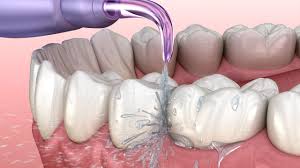
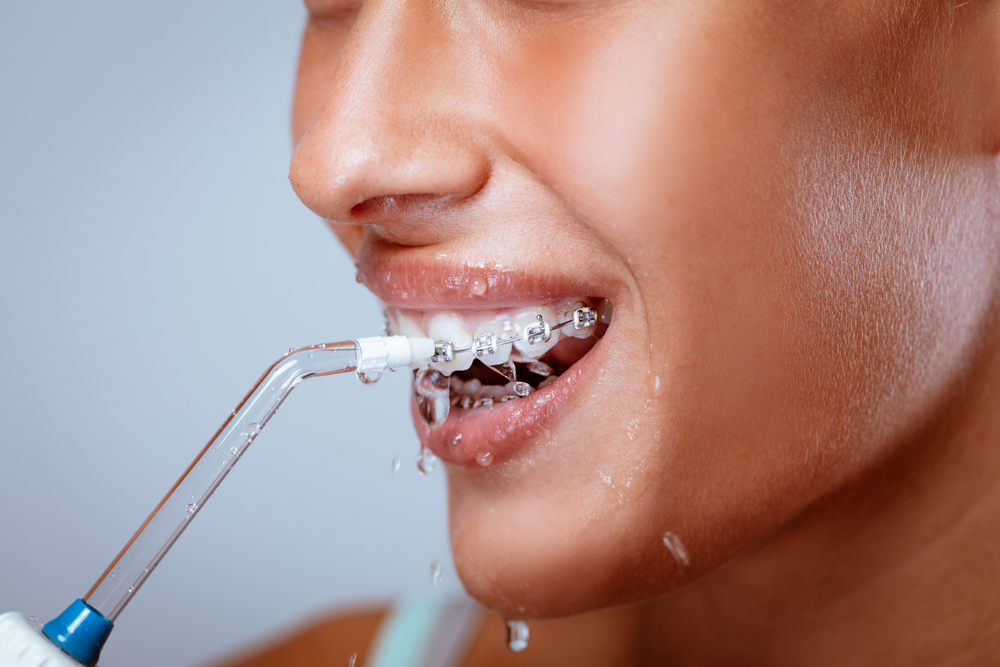
Water flossers are pretty good for removal of plaque. This uses a motor to push a stream of pressurized water into the mouth through the tip. This can be hard, or it could be controlled for a more manageable water pressure. Such a force will remove plaque, food, and also bacteria, making it far easier to clean those hard-to-reach areas than with normal foods. 

Water flossers tend to remove plaque pretty well. It also may stimulate the gum tissue, reducing bleeding. A big one is that it can reach those hard-to-reach areas that make it hard to get to with normal floss, especially for those with implants and bridges. 

Through removal, it freshens the breath. 

They’re also easy to use as well. 

Water flossers are also just as effective or even more effective than normal flossing to get rid of plaque and boost gum health. However, you do need to be mindful that it is based on the technique, and also the water flosser that you use. 

For those with braces or implants, it might be a bit too strong for them.   so, make sure to talk to your dentist prior to using the water flosser, for your own personal benefits. 

Air Flossers 

Another one that’s common is air flossers.   This uses air, combined with water, to get rid of the plaque and gunk from a lot of areas hard to reach.  

This one also has some effectiveness, as many who use air flossers like how much easier it is to floss and get to those hard to reach areas. It can also remove about 99% of plaque from various areas, making it really effective for cleaning up the mouth. 

When compared to traditional floss, it is also just as effective, and it can sometimes be better. It’s also a lot easier to use, so for some who aren’t uterus and don’t like the high pressure of water, this works great. 

Keep in mind though that this is not a replacement for brushing, and it never will be, so when you use it with brushing, it works. 

Interdental Flossers 

Known as interdental brushes, these are small brushes that can go in between various items, and also in between bigger gaps.   For maras that also have a bit of sensitivity to flossing, it works great. 

It’s much more comfortable than other types of flossing for some people. If you have braces and implants, I also may reduce the possibility of breakage of the brackets.  Finally, it works just as well for bleeding and gingival inflammation. 

But, it tends to be the least effective compared to others because if there’s tight gaps, it will not get in between there. It also may cause some bleeding when starting. Finally, they cost more than normal flossers and some of the other types. 

All three of these methods are good for some people, and you should choose what works best for you. Regardless, you should always make sure to floss once a day, so that you are able to get the best results and take care of your oral health. 

When you take care of the oral health problems now, it reduces them over time. So make sure you do so, for all the benefits you wish to have, and so that you’re able to get the results you wish to get. 

Sleep and Oral hygiene 

Sleep is something our bodies need. It’s for repairing the tissues, reducing overall fatigue, and also helps to repair the body after a whole lot of work that wears it down.

But what about our teeth? Is it beneficial for our teeth? Well yes, because it means that our teeth are taken care of. When remineralizer during the day the teeth can be taken care of at night. However, bad habits will cause plaque to stick around. Sleep is that primetime for plaque growth, which isn’t fun.

With that said, here’s a few ways that sleep and nighttime habits affect our oral health, and what you can do to prevent these habits from negatively  impacting your oral health. 

Sleep Apnea and Mouth Breathing 

Sleep apnea is a serious condition where, when you’re sleeping, you stop breathing for a bit, due to the way the windpipe is.   you’re essentially partially choking, and then you wake up. It’s why some people have horrendous snorting. 

Sleep apnea leads to increased heart disease, high blood pressure, and all sorts of things. 

It also leads to teeth grinding, TMJ disorders, and also periodontal disease, along with dental and palatal changes, and changes in the taste sensation that you have.   Mouth breathing does the same, as it can lead to dry mouth, and when you have dry mouth, it increases the prevalence of plaque and other such things. 

With that said, yes you should be mindful of your sleep, especially since it can negatively impact your oral health in such a manner. 

Take Care the night Before 

Nighttime brushing is going to be one of the best ways to prevent tooth decay. When you brush your teeth at night, you’ll be able to, with this, also have a healthy mouth. Tether’s less decay and plaque, and a fresh, healthier mouth. 

Another thing to do is flossing. Flossing takes care of over 40% of the plaque in your mouth, and if you had to do only one a day, floss. 

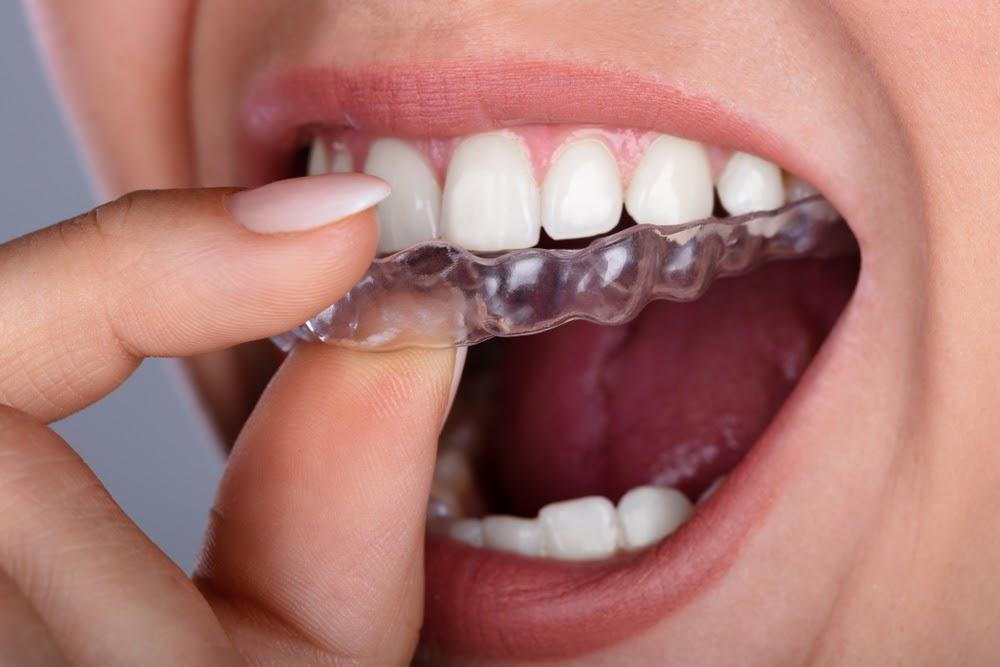
You should also, if you are a grinder, use a mouthguard. This will prevent bruxism and tooth grinding, and reduce the stress that you put on your mouth while sleeping. 

Less morning Breath, and healthy Mouths 

The thing with better oral hygiene for your mouth is that, because of it, you’ll have better breath in the morning.   What a lot of people don’t realize is that their oral health is affected by the way they take care of their teeth the night before. Some people get bad morning sensitivity, due to their oral habits, and because of that, it can grossly impact the way that they function throughout the day.

When you take care of your oral health early on, when you wake up, you won’t have morning breath as much, and you’ll also have better morning sensitivity too, which means you get to start out the day bright and fresh.

Again, it isn’t just because of your oral health, but also because of the habits you do before you go to bed. 

Sleep is for your Teeth and body! 

Sleep is known to help your body as it works to repair the damage from the day, but if you take care of your teeth before, you’re also going to have better sleep as well. If you’ve been looking to really improve your oval oral health experience, then start taking care of your oral health now, and start a nightly routine. It will only take a few extra minutes of your day. Those few extra minutes will save you so much on dental care. 

Smart Toothpaste Ingredients Changing Cavity prevention 

Cavities are something that happen as a result of poor dental hygiene and diets. However, you can prevent it with the right tools. One such tool is toothpaste. While toothpaste has been around for centuries, these days it’s almost…smart. That’s right, smart toothpaste is a thing. rather than the traditional solutions, there are now new ways for you to get healthier teeth, and also really improve your oral health. 

The Rise of Nano Hydroxyapatite

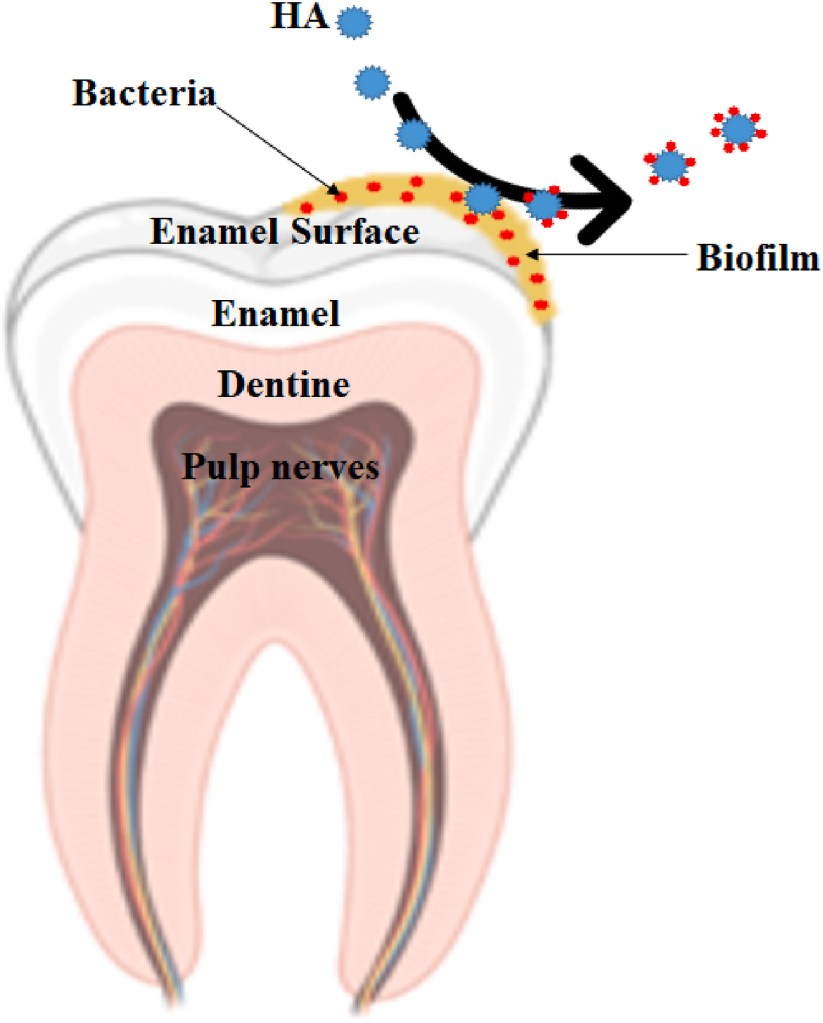
This fancy word is one of the new ingredients that’s shaking up the dental health world. 

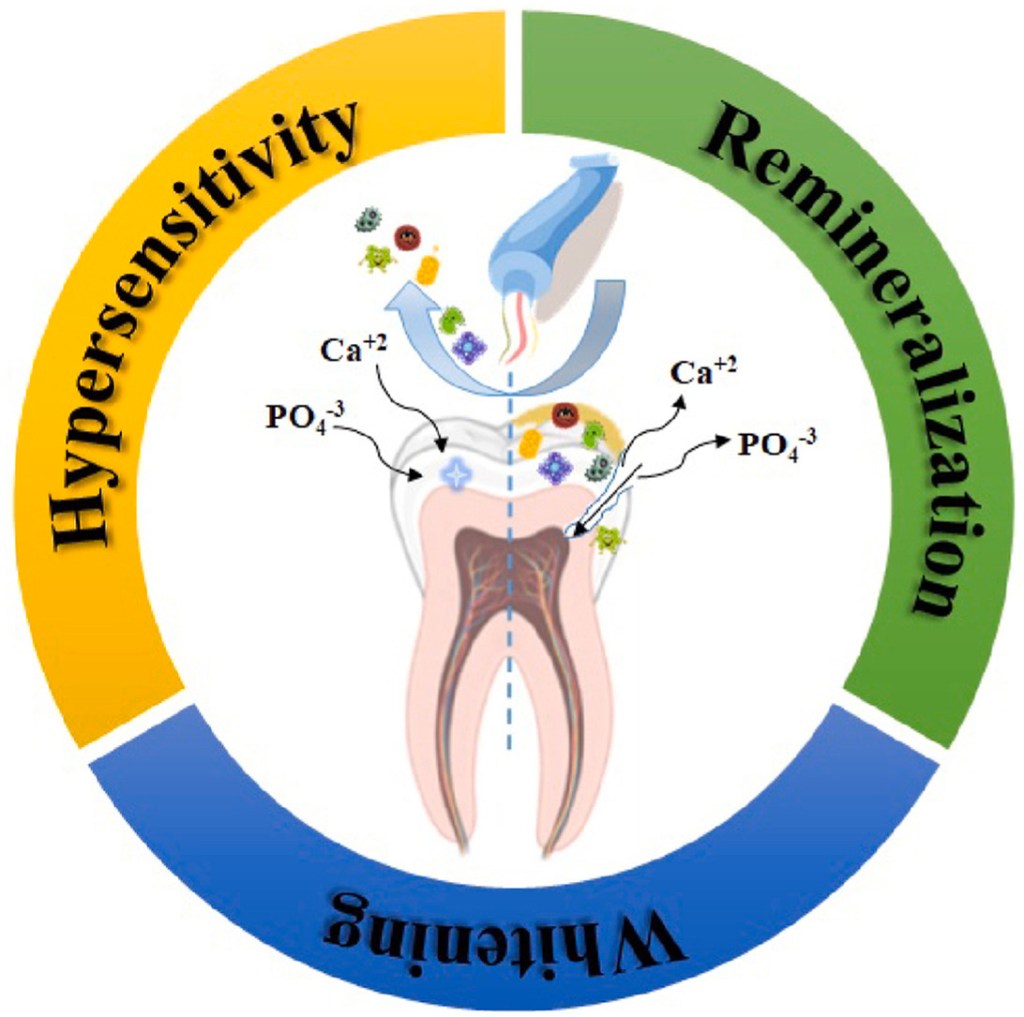
Some have found in studies that it’s as effective as fluoride in demineralizing early carious lesions, or cavities. Another study highlighted that there was an ability for this to repair the enamel and also reduce overall tooth sensitivity, especially when compared to fluoride. 

While it supposedly might be better than fluoride, there are some concerns.   It was banned in the EU because it might absorb the tiny particles accumulating in the organs, with some unknown consequences. However, there is no study saying that it is harmful, nor is it safe. 

Right now, it’s being touted as a fluoride alternative. But still, some dentists don’t really recommend it because there is not enough research on the proven effectiveness. There is a chance that it might remineralizer your teeth, and reduce sensitivity, it’s still new. But, we might see some new changes down the line. 

Enzyme Boosted Toothpaste 

Another one that’s commonly seen as a new addition is enzymatic toothpaste, which is used by people to help with brushing, since it minimizes the plaque and tartar that’s formed around the crown, or exterior of the tooth. It also allows for more maintenance of oral hygiene.

Commonly seen in pet toothpastes, these days this is used in human toothpastes too in order to support gum health and reduce overall plaque formation. . There is speculation that this enzymatic toothpaste might help whiten teeth and also improve the strength of teeth as well. 

This is yet another smart toothpaste that’s coming forward, and more people are looking to use this to help with their oral health needs. 

Prebiotic and Probiotic Toothpaste 

Finally, we have prebiotic and probiotic toothpaste. This might improve oral health by balancing out these bacteria, reducing cavities, prevention of gum disease and other bad problems, and finally freshening the breath.  

Along with this, it provides some probiotic elements to the body, which may also work to strengthen your immunity, and overall health. 

Probiotics in general are great for harmful bacteria and the balance of such, improving the presence of better oral health and wellness, and also offers a balance of bacteria within the mouth.   You also will notice as well that you will feel better too, without all the excess bacteria causing problems for you. 

New Generations for New Protections 


Obviously, maintaining you oral health is part of the game. While it does not replace the use of flossers, or seeing the dentist when you can for regular checkups, it also works wonders to improve your oral health, and prevention of cavities. 

Consider giving some of these cavity-beating toothpastes a try. You’ll notice that, if you do this, you’re able to have a happier, healthier mouth. Smart is in, and with so many new and innovative ways to take advantage of this, you can, from here, build the best oral health routine that you can. 

Try it today and see for yourself how these new toothpaste can change the game, and make your oral health experience all the better for you, now and in the future.