Natural Remedies to Prevent Cavities 

There are a lot of ways to prevent cavities. Eating well, drinking water, and the like.  Natural ways to prevent tooth decay is important, sometimes almost more important than the natural ways. 

Here are some natural remedies that will allow you to prevent those cavities. We’re going to explore food that you should eat, various herbal remedies worth looking at, and finally, actions you can take in order to prevent cavities. 

Foods for Cavity Prevention 

The first is foods that you have to prevent cavities. Now, because of this, we’re not saying they will automatically prevent this, but they strengthen your enamel in order to prevent further cavities in the future.   

The first is dairy. This is because of the calcium, which is used to strengthen bones and teeth. Very good for strengthening your enamel, and overall preventing tooth decay.

Leafy greens are another. Leafy greens contain B and D vitamins, which are good for prevention of tooth decay.

Nuts are a third one.  Nuts offer a lot of unique vitamins, proteins, and the like. It keeps you full too, so you’re not over here trying to eat something bad. Sugary foods are definitely something to avoid, since in a lot of cases, it can be something that will cause more decay.
Many people eat too much sugar. Sugar is the natural killer, and it’s why a lot of people are having tooth issues. This is because of their teeth, and not taking care of them.   but, when you eat right, you’ll be able to prevent this. 

Herbal remedies. 

Herbal remedies are another. The basis for this is that they do naturally fight bacteria. They are anti-inflammatory, and antimicrobial, which is used to kill the bad bacteria, writing them in its place. These remedies are a little bit divided if they work, but they are something which, for many people, is a good way to fight cavities. 

Oil pulling 

Finally, there is oil pulling. This is where you take oil and swish it around in your mouth. While it might seem silly, this actually helps with tooth decay because it pulls all of the germs away from your mouth. When everything’s pulled it then gets rid of a lot of the decay.  You spit it out, and the oil then gets rid of those germs. 

Baking soda as well is used with this. Baking soda is also good for a lot of tooth decay preventative measures. This is because baking soda is abrasive, and is good for cleaning even the worst stains. Bear in mind that if you do use this, try not to overuse the item, because the abrasiveness will wear away the enamel that’s there. 

Overall, this is not the only way to prevent tooth decay, but it is a measure you can take, in order to improve your oral health. 

Complement, not Replace 

All of these natural remedies are complements for your oral health care routine. No, do not replace your oral care routine with this. 
You want to make sure that you still go to the dentist for check ups multiple times a year, and also brush your teeth every day, and floss your teeth as well. a healthy diet and regular oil pulling, however, can work to keep your teeth looking nice and shiny. Knowing this, you’ll be able to have the best oral health that you can, and in turn, make sure that you’ve got a bright smile that will last a long time! 
How to Fix Bad Breath and Dry Mouth 

Bad breath is something that we all have every single morning.

However, some of us have really bad breath, and it can be a bit embarrassing, and bring a self-conscious feeling to this.  The best way to prevent this is by practicing good dental health.

However, dry mouth also is the cause of bad breath, and that has so little to do with how you take care of your teeth.

However, there are ways to fix it, which is what we’re going to talk about here. 

The Cause of Dry Mouth 

The cause of this is a variety of reasons.  Vomiting, the flu, or dehydration are a lot of causes but those are temporary.

Sometimes, if you have diabetes or another medical condition, you may experience dry mouth.  It’s also a side effect that some medications have, including decongestants, antihistamines, pain meds, and muscle relaxants.  If you have a prescription for anxiety and high blood pressure medications, you might also suffer from dry mouth.

Finally, if you get chemotherapy, you might also deal with dry mouth. 

Bad Breath Reasons 

You may get bad breath sometimes from dry mouth, but that’s not always the case. 

How does it happen though? it’s actually not from the medication, but it’s actually chemicals present within the medicine.  They directly inhibit the production of saliva from the salivary glands. Saliva is responsible for hydration, getting rid of food particles from gums and teeth, and fighting off tooth decay.  Without the use of saliva, you’ll have more bacteria, dry mouth and oral parts of your mouth, and this creates bad breath.

Diagnosis of Dry Mouth 

You may have some problems in the mouth responsible for the production of dry mouth.

Woman using breath freshener

If the reason for dry mouth is your oral health, then periodontal disease, cavities, and the like might be the problem. 

If you’re taking medication that causes this, however, you should talk to a specialist, or even a physician, in order to take care of the issue at hand. 

Treatments and Prevention 

There are a few ways for you to treat dry mouth. Usually, it’s a two-step program. First, the doctor will give you some medication for the symptoms.  You may have bad breath, dental sores, and the like. If it’s caused by periodontitis, then a deep cleaning might happen.

They may also give you antibiotics to treat any infections that’ll happen. If this doesn’t go away, then you’ll get some tests for this, and you may also need to adjust the dosages and medications that are there. 

As for preventions, you’ll want to make sure that you look at alternatives so that you’re not dealing with bad breath. For those with limited medication options, or medical conditions, you might want to discuss this with your doctor.  The best way to prevent it in that case is to keep up with your oral care and hygiene, so that you prevent this development.

You should also engage in lifestyle changes too. There are certain products that prevent the formation of dry mouth, so make sure to ask about those. If you smoke, drink alcohol, or like caffeine, then you might also want to limit these habits as well.

There are a few causes for dry mouth, but you can improve this situation in a lot of cases. The best thing to do in this case is to make sure that you protect the mouth and the structures, engage in proper hygiene in order to have good breath that you can be proud of, and not hate as well! 

Pain in tooth Crowns 

Dental professionals do need to put crowns on teeth that are decaying or damaged, and most of the time, it’s relatively painless.  However, there are some cases where if you add a tooth crown, it causes more sensitivity. For those with some level of sensitivity around teeth that are capped, you might want to know how to fix this, and the steps to improve this.  we’ve got your answers. 

What Crowns Are 

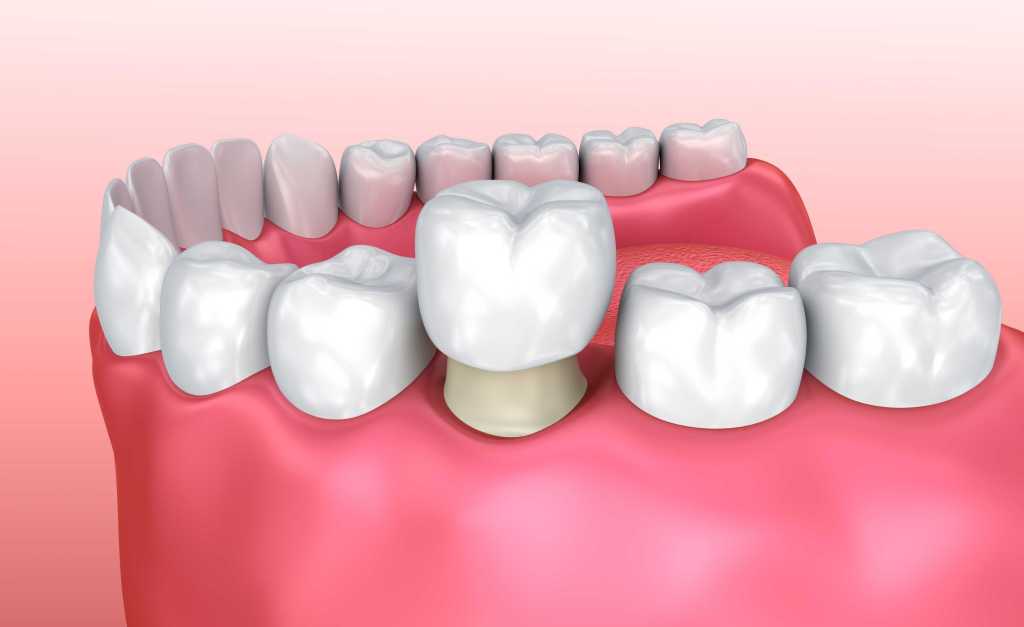
Crowns are basically a cap put over the tooth that’s decaying, damaged, or weak, in order to keep the size, shape, strength, and the appearance. They can last anywhere from five, up to 15 years, depending on the wearing of this, and how well you take care of them. 

Reasons for Crown Pain 

There are certain reasons for pain in the crown.

Some of them include the ones listed below. 

A nerve that’s traumatized or infected c and causes this.  This is because there might still be some nerve damage, even after the pulp of the tooth has been removed, and the pressure of the crown on this.  In this case, you might need to get a root canal and the removal of the crown.  They’ll get an access hole put in, do the root canal without having to replace this. While it’s complex, it saves money on the crowns as they can’t be used again once removed. 

Another reason is that you’re grinding your teeth. This is especially true if you grind at night, or if the teeth aren’t properly aligned.  The areas that are there on the teeth will start to rub together, and from there, you’ll experience some pain within the jaw muscles as well. sometimes, this long-lasting and occasional type of pain in the lower portions of the jaw and face. 

In order to prevent this, you’ll want to relax the jaw with a moist, warm washcloth prior to sleeping. Meditation can be used to reduce anxiety and stress, providing relief as well.

Mouth guards can also be another way to treat this.

If you’re still having trouble with grinding your teeth, then you’ll want to discuss this with your dentist.  Sometimes, biofeedback, which uses different sensors to look at the muscle contraction, can help you become aware of the clenching that you do with your teeth. You’ll be able to control your jaw tension and clenching as well through this. 

Finally, what you might also have been an issue with the crown. It might be damaged, and that would require you to replace this. 

What you should do 

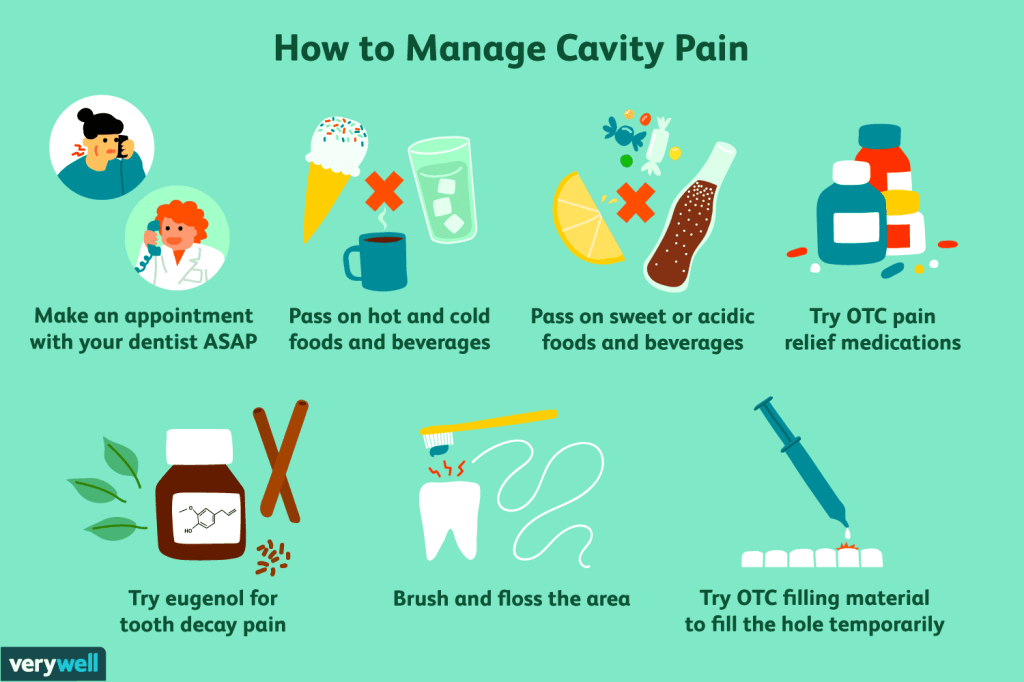
You should definitely first and foremost take some over-the-counter medicine to help with the pain.  Cold and hot foods can also cause sensitivity in the teeth, so try to keep the foods mostly moderate in temperature. There are also mouth rinses and toothpaste made for teeth that are sensitive. They usually numb the endings of the nerves, which can help prior to getting a treatment and diagnosis. 

If you’ve got pain in the crown which continues to persist, you should see your dentist right away. the sooner the better, as they can look at the issue, and find it as quickly as they can.

Remember that the pain doesn’t normally go away just by waiting for it to. It’s better to go to the dentist, get the help that you need, so that you’re not in pain, and you’ve got something worth smiling about when it comes to your oral health and teeth.

Try it today and get the help you need to take care of your teeth better than before.