Effective Ways for Removal of Biofilm 

Biofilm is that technical term for the plaque that’s on top of the teeth, white and sticky. Removing this biofilm from the tissues and the gums is vital for one’s oral health, and here, we’ll give you the best ways to remove it.

What biofilm is 

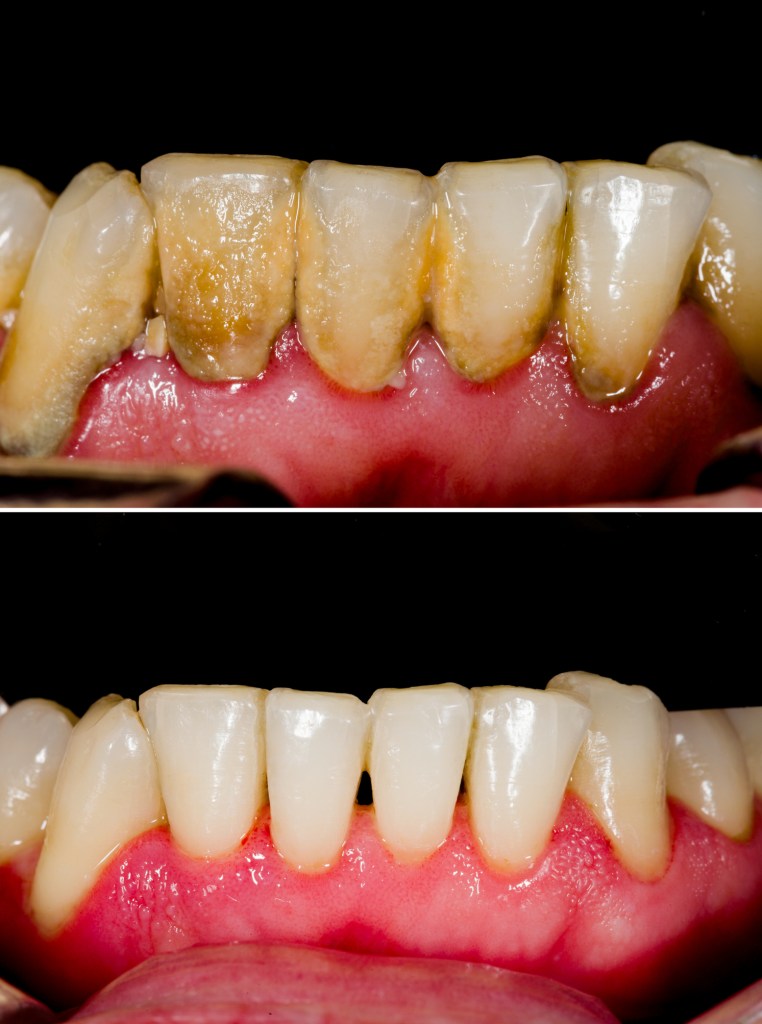
This is a layer made up of bacteria that happens inside and outside of the body. It’s a plaque that forms on the teeth and gums, and when not treated, it causes cavities, gingivitis, and gum diseases. 

Plaque does need to be removed because it can create tartar if you’re not careful. This is calculus, which you’re unable to remove at home. So yes, get rid of it now to save your teeth at the dentist. 

With that said, here are some biofilm removal means to use right now! 

Brushing 

The most obvious, but you should brush with  a soft-bristled toothbrush for two minutes, two or three times a day for plaque removal. Most who don’t brush their teeth  are going to very superficially do this, so the biofilm will be there on the gumline and teeth.
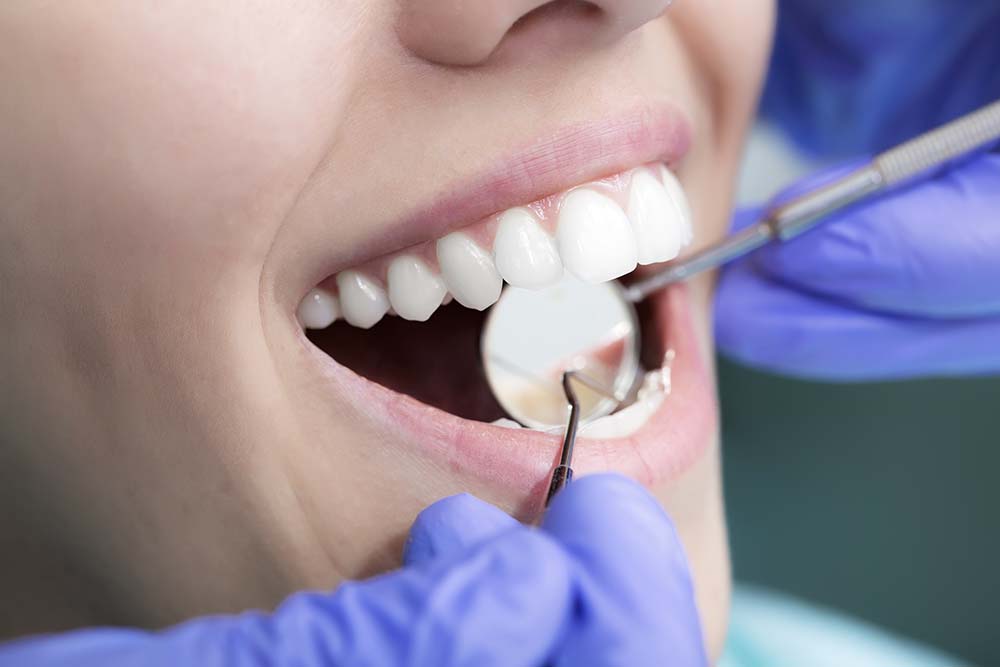
Young woman patient at dentist’s office – Closeup picture taken with macro lens

After meals are good, and setting up the timer for two minutes is good. Brush with fluoride toothpaste so that you can reduce the plaque bacteria’s acids that are harmful. It also naturally injects minerals in there that are otherwise removed from your enamel.

When brushing, utilize some short back-and-forth little strokes or circles to clean these outer surfaces, inner parts, and chewing surfaces for all the teeth.

Remember to try to brush around the gumline on the back teeth. These are often skipped, so being diligent about it now will save you a massive headache later on.

Flossing 

Another habit that’s skipped and it should not be, because brushing does not remove everything, since it does build  up between the teeth areas, or underneath the gum line and other harder to reach areas that toothbrushes are limited too.

Flossing once a day with a flosser, interdental brushes, for a water flosser is good.

Some people may struggle with this, but you have to do this. if you’re still having issues, talk about other means, and ask for demonstrations to ensure you’re good. 

Pro cleanings 

Professional cleaners remove bacteria. 

Even when you floss and brush on the regular, you cannot remove the bacteria fully. When that remains on the tooth area, you suffer from gum disease and oral health issues. 

In general, you should get cleaned every six months. They will look and remove the plaque and tartar that are above and below. That way, they can find the hidden plaque and get you cleaned up! 

Mouthwash 
Mouthwash contains a lot of ingredients designed to prevent or get rid of biofilm. Fluoride for example is a huge anti-plaque component, and is used for strengthening the enamel, and protection against your cavities. 

Do this once daily, after tooth brushing, so you don’t fully remove the fluoride added. 

Lifestyle and Diet 

Bacteria love sugars and starches. So yes, if you eat a lot of cake, soda, and candy, you’ll get these. The same goes for chips, crackers, and bread. 

Enjoy all of this in moderation. 

However, also be mindful of other types of harmful activities, such as smoking tobacco, because this messes up the bacteria, and restricts the flow of oxygen to the gums, and makes it easier for the plaque and bacteria to grow. If you’re smoking, try to quit, or use alternative means to help you get off the cigarettes. 

It can be removed. All biofilm has a chance to be gone, but it’s up to you to get rid of it. 
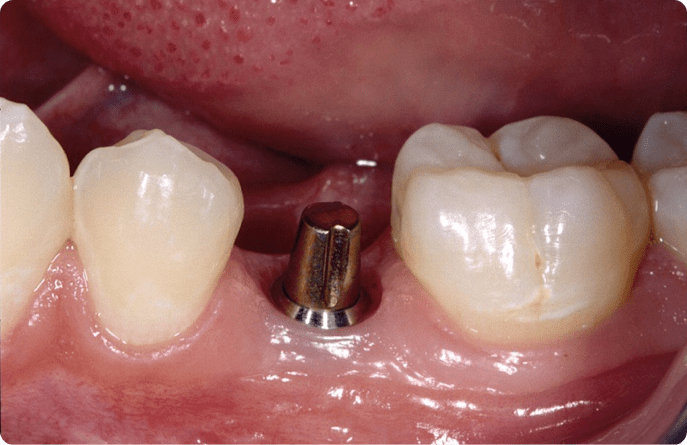
The role of Abutments in Dental Implants 

When we think about implants, we rarely focus on the nitty gritty. That is, until you’re the one who needs the implant.  Suddenly, you start to look at this and wonder just what abutments are, and why they’re going to be in your mouth. 

If you’re going to replace your teeth, you may wonder what some of the important parts of it are, which we’ll go over here. 

What Abutments are 

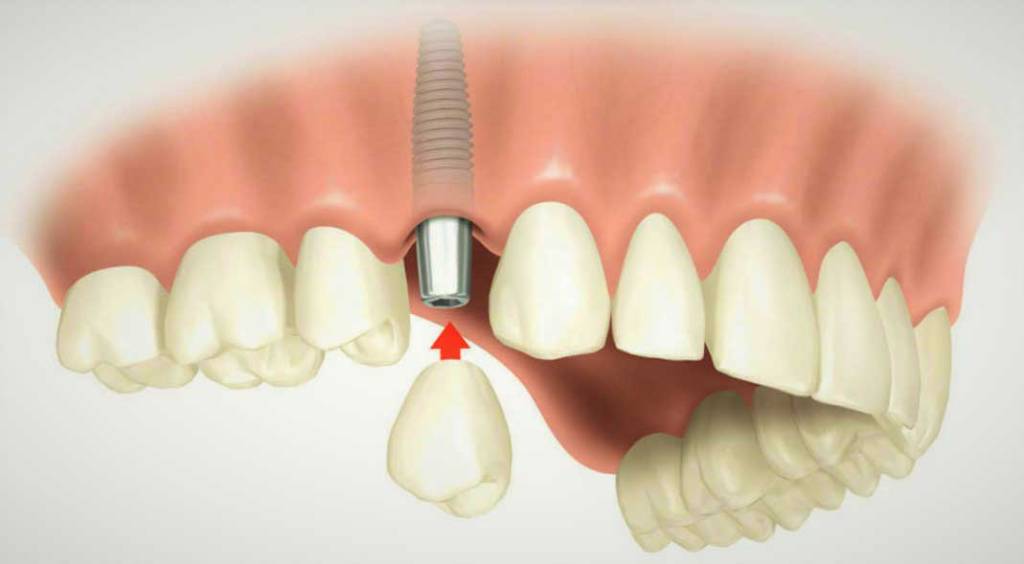
Abutments are a connector made of metal, and for dental procedures, they’re put into implants after it’s been healed.  The abutment basically screws directly into the implant, and is the middleman between the implant itself, and the crown, or fake tooth, that’ll be there. 

For those with dental bridges, the crowns are put on two of these abutments, and then are connected to these other teeth that are replaced called pontics, that will sit over the gums. 

Abutments are usually created in labs, made of gold, titanium, zirconia, stainless steel, or even polyester ether ketone.  Placing the abutment is a small procedure, and usually, they’re done with only local anesthesia for pain. 

What are implants 

Well implants are basically metal fixtures that work like tooth roots, and they’re put into the gums and jawbone.  Essentially, they get anchored to your bone through the process of osseointegration where ethe bone gets directly fused to your metal. 

It offers stability to both the abutment and crown, which is on the same level as actual teeth.  It can take up to 12 weeks for these to heal once you get implants. 

If you have a dentist that says that the jawbone isn’t strong or thick enough for support of this implant, then a bone graft might be recommended. In this, oral surgeons take bones from another part of the body or will use synthetic bone in order to attach this directly to the jawbone.  This offers a sturdy support for these replacements until the bone is able to heal tightly around this implant. 

Regardless of Type, you need good Hygiene 

One thing that’s important is regardless of the implant, or a crown or even a bridge, you have to practice good oral hygiene. 

The implants work in the same manner as your regular teeth do, where you’ve got to brush this twice daily, along the gums and then sweep towards where both biting parts of the teeth are. 

Cleaning between the teeth with water flossing or interdental brushes at least daily is important, and you should have tongue scrapers or antimicrobial mouth rinses. 

When you do this, always check with a dentist for a regular appointment, not just for keeping the teeth perfectly right and to get rid of bacteria, but also for the implant’s health.  You should take some x-rays in order to check the bone area around the implant.  You should also look at the gum tissue that’s near this area, ensuring that it’s free from the inflammation which may be there. 

Now that you know a little bit about implants and abutments, you’re in for a treat, and you’ll be able to have good, informed conversations with dentists. Good luck with this, and make sure that if you have replacement teeth, always take care of them like you would with regular teeth, so that they work just like the real thing. With the right care, these replacements can last the rest of your life, which is definitely something to smile about. 

Protect your teeth, and protect them all, so that you can have the best oral health that you can, in the best ways possible.