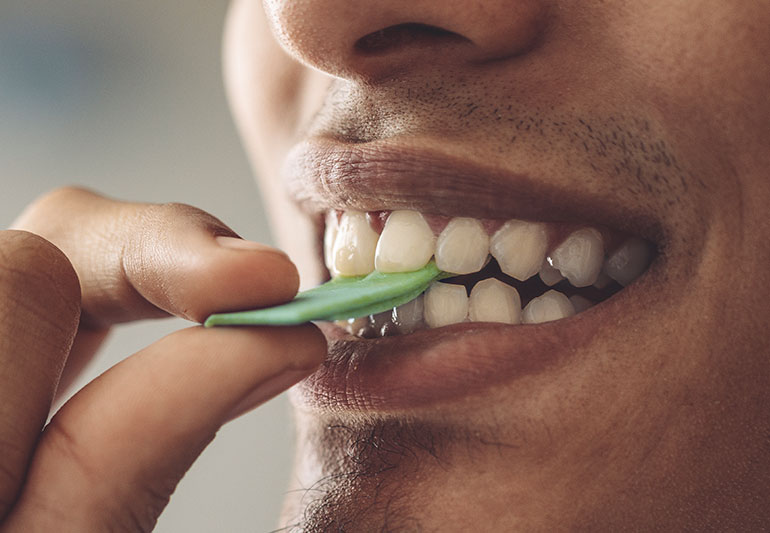
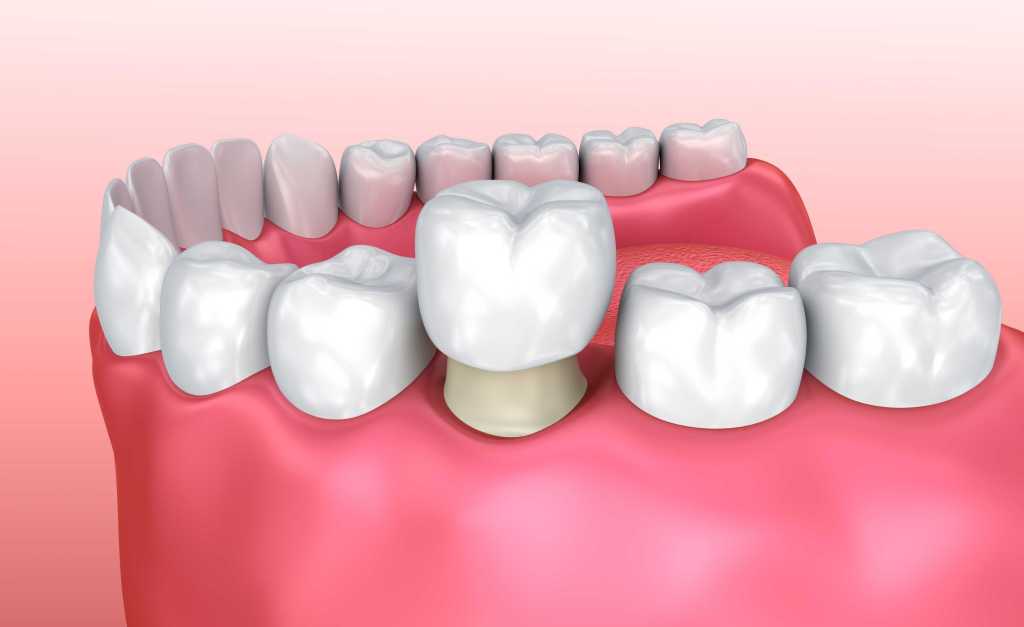
What Dental Bonding is 

Accidents happen, and there are tons of ways a tooth may get chipped, and a few ways to repair it. One of them is tooth bonding, or enamel bonding. It’s cost-effective, and good for minor problems that happen with broken teeth.If you have cracked, chipped, decayed, or problems with teeth coloring, bonding might be the best way to get your confidence, and a winning smile back.

What it’s used for 

Bonding is where you get some composite resin on the tooth’s surface to fix it. It’s simple, not expensive, and a cosmetic procedure that’s done in one visit. With lots of dental issues that bonding can fix, it’s good for discolored or chipped teeth.

It also may choose to close the larger spaces between one’s teeth, changing the shape and making them look longer. They are also used in metallic or amalgam fillings to protect the exposed rooted part with gums that are receded. 

How it’s Done

Luckily, bonding is a very simple procedure that requires just one appointment. 

A composite resin made from plastic is placed on the tooth. It’s perfect to mold there, so if you’ve got a newer tooth, it will fit with the smile. 

Here’s the steps that go with the dental bonding procedure. 

  1. First the dentist will clean the tooth in order to create the best bonding surface possible. 
  2. They apply the resin and then shape that bonding material. 
  3. The bonding is then dried with UV light, and shaping takes place 
  4. It’s polished for a natural look, and then they floss it to make sure that it’s smooth. 
  5. It usually takes thirty minutes to an hour to fix this. but if there’s multiple teeth, it takes multiple visits. Most tooth bonding doesn’t require any anesthesia, so you’ll return to daily activities right after the appointment. 

Risks to Bonding  

There are a few risks to this. The main downside is that it will never be as strong naturally as natural teeth, so there is a chance that these can break off, or chip completely. If you’re going in for tooth bonding procedures, it may be time to kick those habits, including biting fingernails, chewing on pen caps, and ice, as they will impact the resin.

Care for bonded Teeth 

How long your bonding lasts depends on what you need done, and habits orally, so it’s vital to give the teeth that are bonded with as much care and attention as the natural teeth might.

Bonding material is very prone to staining, so make sure that you watch how much you consume coffee, tea, wine, and cigarettes. 

Avoid these foods for up to 48 hours after any procedure. If you do have some sharp edges on the teeth, or they feel weird when you bite down. if they fall off or completely chip, contact the dentist immediately. 

How long they last can be anywhere from three to ten years before needing to be repaired or replaced. If you brush your teeth twice daily and interdental flossing, it does extend that dental bonding effectiveness.

These regular visits also keep the mouth healthy, ensuring that the dental bonding is functional. 

Try to avoid eating hard, chewy candies, and don’t pick at the bonding.   When playing sports, protect your teeth with a mouth guard. If you do grind your teeth at night, try to prevent the grinding and damage with a night guard. 

Tooth bonding is pretty affordable, and usually only requires a single appointment. It’s pretty cheap and is usually under a grand. It’s great to get the confidence that you need. 
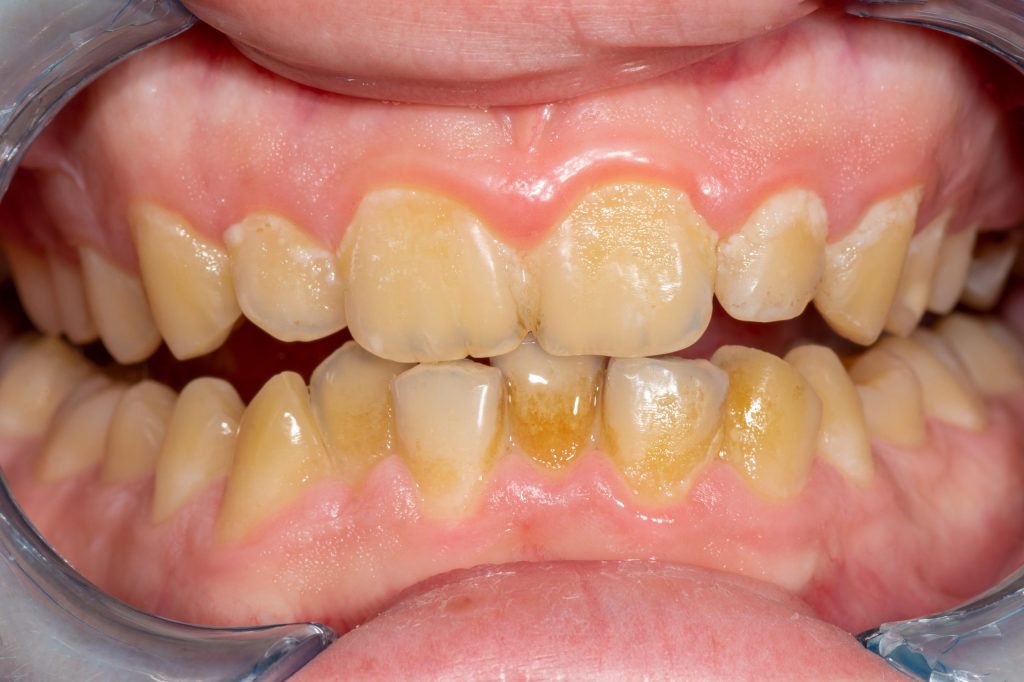
The science of Plaque and Tartar 

Plaque and tartar are the two things that you hear your dentist talk about with you all the time. It’s probably the one thing that they’re always getting on to you about. “you have a lot of plaque” “there’s a lot of tartar buildup? But have you ever wondered why they care about this? Well, you’re in luck because here, we’ll look at the science of plaque and tartar, to help you better understand just what’s going on. 

What plaque Is 

Plaque is basically what bacteria creates after they eat some of the food and enamel off your tooth. It’s a biofilm that covers the area. The problem with this is that it starts to harden, and then bacteria will feed off this, creating tooth decay. When it gets all the way to the root, it causes gingivitis, and periodontitis, which are both not very fun diseases. 

It is a huge concern because over time, it will start to break down, eventually getting so bad that it can cause tooth loss. Again, never fun, and you should always try not to have this happen. 

The formation Process 

The formation process begins with your mouth’s biome.   The mouth has a ton of bacteria, some good, some bad.   While the good is needed, the bad causes problems. 

The bad, feeds off sugars and starches that you eat.   When they nibble on this, it then causes the biofilm to form.   This then becomes plaque.  When you wash it off, you’re fine, but what if you don’t.

Then it hardens even further, creating what’s called tartar. Tartar cannot be removed without the help of a dentist, so don’t even try to do it yourself. 

When left on, it then causes tooth decay and a breakdown as well. 

The prevention of tooth decay 

Tooth decay prevention requires you to take care of your teeth, to remove this plaque before it gets worse. This of course, may be brushing your teeth twice a day, really getting all of the various areas. It also may be flossing, to get in between those problematic teeth areas. 

Now, brushing and flossing only goes so far. It’s needed, it’s important, but it isn’t perfect.   In some cases, it might cause you to have to go and see someone else, a dentist perhaps. In that case, then you’ll need to get a professional cleaning to get rid of the bad stuff.

But while seeing a dentist is great, you also need to be proactive about what you do.   try to as well have some diet and lifestyle choices, ones that will help to improve the oral health and reduce plaque buildup. It may take time, but removing the sugars and starches, replacing them with healthy, whole foods that will improve the enamel, will most definitely be the better solution for you. 

If you’re having trouble with what foods to eat, having dairy, leafy greens, and non-acidic foods is a good place to begin. you can have sugars and starches, but try to have some water after that. Also, don’t try to have them often.

And there you have it, everything that you need to know about dental health, and how to prevent the ongoing growth of plaque. When you control your plaque, you control your oral health, and by doing so, you’ll be able to, with this, create a better, and more rewarding experience for your oral health needs. 

Controlling this will help to make your own experience even better, and by doing so, you can create a better mouth for yourself and your future. 

Women’s Hormones and Oral Health 

Women’s hormones affect a lot of things. Did you know that it also includes oral health? Yes, estrogen, progesterone, and even menopause affect your oral health, which is why here, we’ll talk about what can happen if you’re not careful. 

Puberty, Progesterone, and Gums 

Young girls may not notice the changes to their oral health, but puberty causes many physical changes. The biggest ones are estrogen and progesterone. This creates gum sensitivity and the possibility of germs creating problems. 

If not taken care of, such as through regular checkups, brushing twice daily and flossing once a day, it does lead to infection, redness of gums, bleeding and swelling, and may cause gingivitis. 

Menstruation and Oral health 

Every month women who are of childbearing age who aren’t pregnant deal with menstruation. We think about the cramps, bloating, and emotional effects. But there are hormonal changes throughout the menstrual cycle that create oral health changes. 

Sometimes canker sores, salivary glands being swollen, red gums that are swollen and bleeding gums all can happen right before a woman can get their period. Menstruation gingivitis, while rare, does happen right before one gets their period, and will clear up after. While temporary, this can lead to long-term problems if you’re not careful. 

Pregnancy and Gingivitis 

Pregnancy causes a lot of changes to a woman’s body. The biggest one is the immune response.   Sometimes, women’s immune systems go into overdrive, and can lead to sensitivity in many areas, including the gums. Pregnancy gingivitis is quite common, especially during the second and third trimester of pregnancy.   Getting regular cleaning and checking with your dentist on the same level as you would with the obstetrician and gynecologist during this phase of life is important.

Sometimes, gestational diabetes happens too, which can also negatively affect the gums and oral health

Menopause 

Menopause is when a woman stops producing her own estrogen. This is also when a woman stops getting her period as well. it can create changes in a woman’s oral health, especially due to the sudden drop of hormones. A changed taste, burning in he mouth, sensitivity to hot and cold, and even less saliva tends to happen to women during menopause. Definitely talk to your dentist if you have issues with your oral health, especially after this stage in life. 

Hormonal Birth Control Concerns 

Finally, there’s hormonal birth control. They do come with side effects, sometimes quite excessive. In some cases, it does lead to dry mouth for some female patients. The best thing to do is to talk to your dentist and if they notice this, get the help you need right away.

Take Charge of your Oral Health Today! 

As a woman, it’s vital to start taking care of your oral health the second that you realize there is a problem. Even when reading this, you should start to maintain your oral health.

Make sure to brush twice daily, but use a toothpaste containing fluoride.   Rinse and floss once a day, preferably with an alcohol-free mouthwash so it doesn’t dry out the mouth even more.

Try to go to the dentist twice a year for cleanings and exams. That way, if there is something going wrong, they can take care of it right then and there. 

Make sure you’re eating a diet that’s well-balanced, with plenty of fruits and vegetables.   Make sure you’re also eating foods that aren’t too sugary or starchy as well, as that will feed the bacteria. Try to drink as much water as you can too, in order to flush out that harmful bacteria that appears. 

Natural Remedies to Prevent Cavities 

There are a lot of ways to prevent cavities. Eating well, drinking water, and the like.  Natural ways to prevent tooth decay is important, sometimes almost more important than the natural ways. 

Here are some natural remedies that will allow you to prevent those cavities. We’re going to explore food that you should eat, various herbal remedies worth looking at, and finally, actions you can take in order to prevent cavities. 

Foods for Cavity Prevention 

The first is foods that you have to prevent cavities. Now, because of this, we’re not saying they will automatically prevent this, but they strengthen your enamel in order to prevent further cavities in the future.   

The first is dairy. This is because of the calcium, which is used to strengthen bones and teeth. Very good for strengthening your enamel, and overall preventing tooth decay.

Leafy greens are another. Leafy greens contain B and D vitamins, which are good for prevention of tooth decay.

Nuts are a third one.  Nuts offer a lot of unique vitamins, proteins, and the like. It keeps you full too, so you’re not over here trying to eat something bad. Sugary foods are definitely something to avoid, since in a lot of cases, it can be something that will cause more decay.

Many people eat too much sugar. Sugar is the natural killer, and it’s why a lot of people are having tooth issues. This is because of their teeth, and not taking care of them.   but, when you eat right, you’ll be able to prevent this. 

Herbal remedies. 

Herbal remedies are another. The basis for this is that they do naturally fight bacteria. They are anti-inflammatory, and antimicrobial, which is used to kill the bad bacteria, writing them in its place. These remedies are a little bit divided if they work, but they are something which, for many people, is a good way to fight cavities. 

Oil pulling 

Finally, there is oil pulling. This is where you take oil and swish it around in your mouth. While it might seem silly, this actually helps with tooth decay because it pulls all of the germs away from your mouth. When everything’s pulled it then gets rid of a lot of the decay.  You spit it out, and the oil then gets rid of those germs. 

Baking soda as well is used with this. Baking soda is also good for a lot of tooth decay preventative measures. This is because baking soda is abrasive, and is good for cleaning even the worst stains. Bear in mind that if you do use this, try not to overuse the item, because the abrasiveness will wear away the enamel that’s there. 

Overall, this is not the only way to prevent tooth decay, but it is a measure you can take, in order to improve your oral health. 

Complement, not Replace 

All of these natural remedies are complements for your oral health care routine. No, do not replace your oral care routine with this. 

You want to make sure that you still go to the dentist for check ups multiple times a year, and also brush your teeth every day, and floss your teeth as well. a healthy diet and regular oil pulling, however, can work to keep your teeth looking nice and shiny. Knowing this, you’ll be able to have the best oral health that you can, and in turn, make sure that you’ve got a bright smile that will last a long time! 

How to Fix Bad Breath and Dry Mouth 

Bad breath is something that we all have every single morning.

However, some of us have really bad breath, and it can be a bit embarrassing, and bring a self-conscious feeling to this.  The best way to prevent this is by practicing good dental health.

However, dry mouth also is the cause of bad breath, and that has so little to do with how you take care of your teeth.

However, there are ways to fix it, which is what we’re going to talk about here. 

The Cause of Dry Mouth 

The cause of this is a variety of reasons.  Vomiting, the flu, or dehydration are a lot of causes but those are temporary.

Sometimes, if you have diabetes or another medical condition, you may experience dry mouth.  It’s also a side effect that some medications have, including decongestants, antihistamines, pain meds, and muscle relaxants.  If you have a prescription for anxiety and high blood pressure medications, you might also suffer from dry mouth.

Finally, if you get chemotherapy, you might also deal with dry mouth. 

Bad Breath Reasons 

You may get bad breath sometimes from dry mouth, but that’s not always the case. 

How does it happen though? it’s actually not from the medication, but it’s actually chemicals present within the medicine.  They directly inhibit the production of saliva from the salivary glands. Saliva is responsible for hydration, getting rid of food particles from gums and teeth, and fighting off tooth decay.  Without the use of saliva, you’ll have more bacteria, dry mouth and oral parts of your mouth, and this creates bad breath.

Diagnosis of Dry Mouth 

You may have some problems in the mouth responsible for the production of dry mouth.

Woman using breath freshener

If the reason for dry mouth is your oral health, then periodontal disease, cavities, and the like might be the problem. 

If you’re taking medication that causes this, however, you should talk to a specialist, or even a physician, in order to take care of the issue at hand. 

Treatments and Prevention 

There are a few ways for you to treat dry mouth. Usually, it’s a two-step program. First, the doctor will give you some medication for the symptoms.  You may have bad breath, dental sores, and the like. If it’s caused by periodontitis, then a deep cleaning might happen.

They may also give you antibiotics to treat any infections that’ll happen. If this doesn’t go away, then you’ll get some tests for this, and you may also need to adjust the dosages and medications that are there. 

As for preventions, you’ll want to make sure that you look at alternatives so that you’re not dealing with bad breath. For those with limited medication options, or medical conditions, you might want to discuss this with your doctor.  The best way to prevent it in that case is to keep up with your oral care and hygiene, so that you prevent this development.

You should also engage in lifestyle changes too. There are certain products that prevent the formation of dry mouth, so make sure to ask about those. If you smoke, drink alcohol, or like caffeine, then you might also want to limit these habits as well.

There are a few causes for dry mouth, but you can improve this situation in a lot of cases. The best thing to do in this case is to make sure that you protect the mouth and the structures, engage in proper hygiene in order to have good breath that you can be proud of, and not hate as well! 

Pain in tooth Crowns 

Dental professionals do need to put crowns on teeth that are decaying or damaged, and most of the time, it’s relatively painless.  However, there are some cases where if you add a tooth crown, it causes more sensitivity. For those with some level of sensitivity around teeth that are capped, you might want to know how to fix this, and the steps to improve this.  we’ve got your answers. 

What Crowns Are 

Crowns are basically a cap put over the tooth that’s decaying, damaged, or weak, in order to keep the size, shape, strength, and the appearance. They can last anywhere from five, up to 15 years, depending on the wearing of this, and how well you take care of them. 

Reasons for Crown Pain 

There are certain reasons for pain in the crown.

Some of them include the ones listed below. 

A nerve that’s traumatized or infected c and causes this.  This is because there might still be some nerve damage, even after the pulp of the tooth has been removed, and the pressure of the crown on this.  In this case, you might need to get a root canal and the removal of the crown.  They’ll get an access hole put in, do the root canal without having to replace this. While it’s complex, it saves money on the crowns as they can’t be used again once removed. 

Another reason is that you’re grinding your teeth. This is especially true if you grind at night, or if the teeth aren’t properly aligned.  The areas that are there on the teeth will start to rub together, and from there, you’ll experience some pain within the jaw muscles as well. sometimes, this long-lasting and occasional type of pain in the lower portions of the jaw and face. 

In order to prevent this, you’ll want to relax the jaw with a moist, warm washcloth prior to sleeping. Meditation can be used to reduce anxiety and stress, providing relief as well.

Mouth guards can also be another way to treat this.

If you’re still having trouble with grinding your teeth, then you’ll want to discuss this with your dentist.  Sometimes, biofeedback, which uses different sensors to look at the muscle contraction, can help you become aware of the clenching that you do with your teeth. You’ll be able to control your jaw tension and clenching as well through this. 

Finally, what you might also have been an issue with the crown. It might be damaged, and that would require you to replace this. 

What you should do 

You should definitely first and foremost take some over-the-counter medicine to help with the pain.  Cold and hot foods can also cause sensitivity in the teeth, so try to keep the foods mostly moderate in temperature. There are also mouth rinses and toothpaste made for teeth that are sensitive. They usually numb the endings of the nerves, which can help prior to getting a treatment and diagnosis. 

If you’ve got pain in the crown which continues to persist, you should see your dentist right away. the sooner the better, as they can look at the issue, and find it as quickly as they can.

Remember that the pain doesn’t normally go away just by waiting for it to. It’s better to go to the dentist, get the help that you need, so that you’re not in pain, and you’ve got something worth smiling about when it comes to your oral health and teeth.

Try it today and get the help you need to take care of your teeth better than before.