Milk And Dental Health

Making dietary choices to favor your dental health can be challenging. You may wonder whether or not milk is good or bad for teeth. Is there any chance for milk to contribute to tooth decay? Several studies suggest that milk can be a great companion for your teeth. 

In this article, we will discuss things that you need to know to determine the appropriate use of milk to help your oral cavity.

The need for milk

Not only are milk and other dairy products are delicious, but they also contribute to overall health by supplying an ample amount of calcium to the body. This mineral supports metabolic processes in your body. Moreover, 90% of it is stored in the bones and teeth. The National Institute of Health (NIH) recommends a daily intake of at least 200mg to 1,300mg of calcium for infants and toddlers. The amount can vary with age, depending on the requirements.

Dairy against tooth decay

Our dental health benefits from milk and dairy products. But do you know why? According to the University of Illinois at Chicago (UIC) College of Dentistry, there are several benefits of having dairy products in your diet.

  • The first benefit is that those products contain casein protein, which contributes to the formation of a protective film on your teeth. This film protects your tooth enamel from acids and bacteria that can initiate tooth decay.
  • Dairy products are rich in calcium and phosphorus, both of which are the minerals that reverse damage to your teeth in various ways. These minerals are helpful, particularly when it comes to reversing the damage caused by bacteria and acids.
  • These products are usually pH-neutral, meaning that their intake can help reduce acidity in your mouth. You can consider having a glass of milk after a meal or snack.
  • Another one of the most significant benefits of dairy products is that they stimulate the production of saliva in your mouth. Saliva washes away leftover food particles and harmful bacteria, allowing you to have healthy teeth.

Remember, having milk covers only one aspect of a healthy diet. You have to make sure that your diet is more balanced. For this purpose, you have to have vegetables and fruits in your diet plan.

Getting more milk

Calcium is present in many foods and drink. Milk, however, is the easiest and most accessible food that contains calcium in an ideal amount. And what’s even better is that the calcium in milk absorbs more quickly in the body compared to other resources.

If you are not a fan of drinking milk, you can still get calcium in a lot of other ways. Here are the dairy products that you can have in this regard.

  • Yogurt, with or without fruits
  • Cheeses
  • Buttermilk
  • Frozen yogurt and ice cream
  • Calcium-fortified soy milk

Milk instead of soda

If you want to have a beverage, let it be milk instead of soda. Soda can do exactly the opposite of what milk can do to your teeth. You can at least limit the consumption of soda if it is to avoid it at all.
Your Oral Health and Type 1 diabetes 

One in ten people in America have some kind of diabetes, and while not many know a lot about the dental issues they have, you should always educate yourself. Here, we’ll go over what type 1 diabetes does for your oral health, and how it connects. 

What Type 1 Diabetes Is 

Type 1 diabetes is one that affects people of all weight, body type, and their race. It happens when the pancreas isn’t able to create enough insulin, a hormone that can control the sugar inside you. Without the production of insulin, sugar is unable to get into the cells, and then builds up within the bloodstream.   Those with type 1 diabetes do need to take the right amount of insulin and control their blood sugar. 

Genetics and the environment do play a role in this, and it is manageable in those with the right diet, medications, exercise, and overall care. 

The Symptoms Exhibited by Children with this Condition 

The earlier the detection, the better. Type 1 diabetes is very common in children and infants, but it can happen at every age. 

The most common types of symptoms do include: 

  • Urinating often 
  • Extreme hunger and thirst 
  • Weight loss despite a very normalized diet 
  • Injuries that take a while to heal 
  • Fatigue 
  • Blurred vision 

If you notice your child wetting the bed a lot after they’ve gotten potty trained, this might be an indication of the presence of type 1 diabetes. 

Oral Complications 

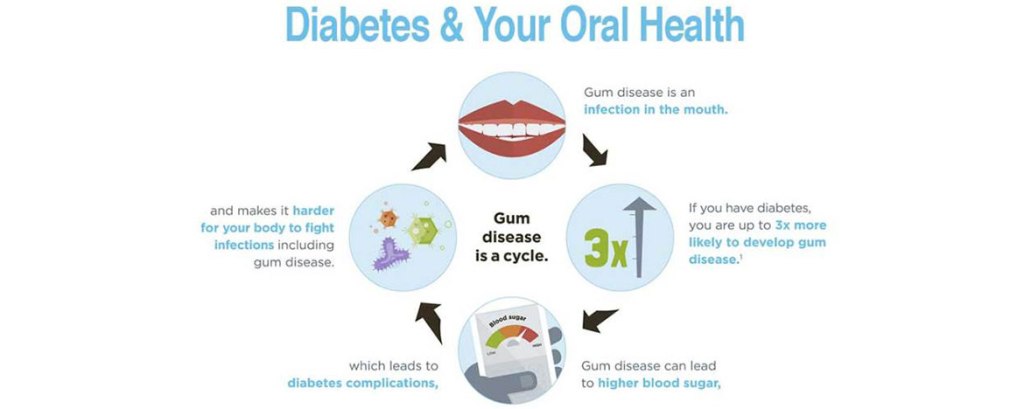
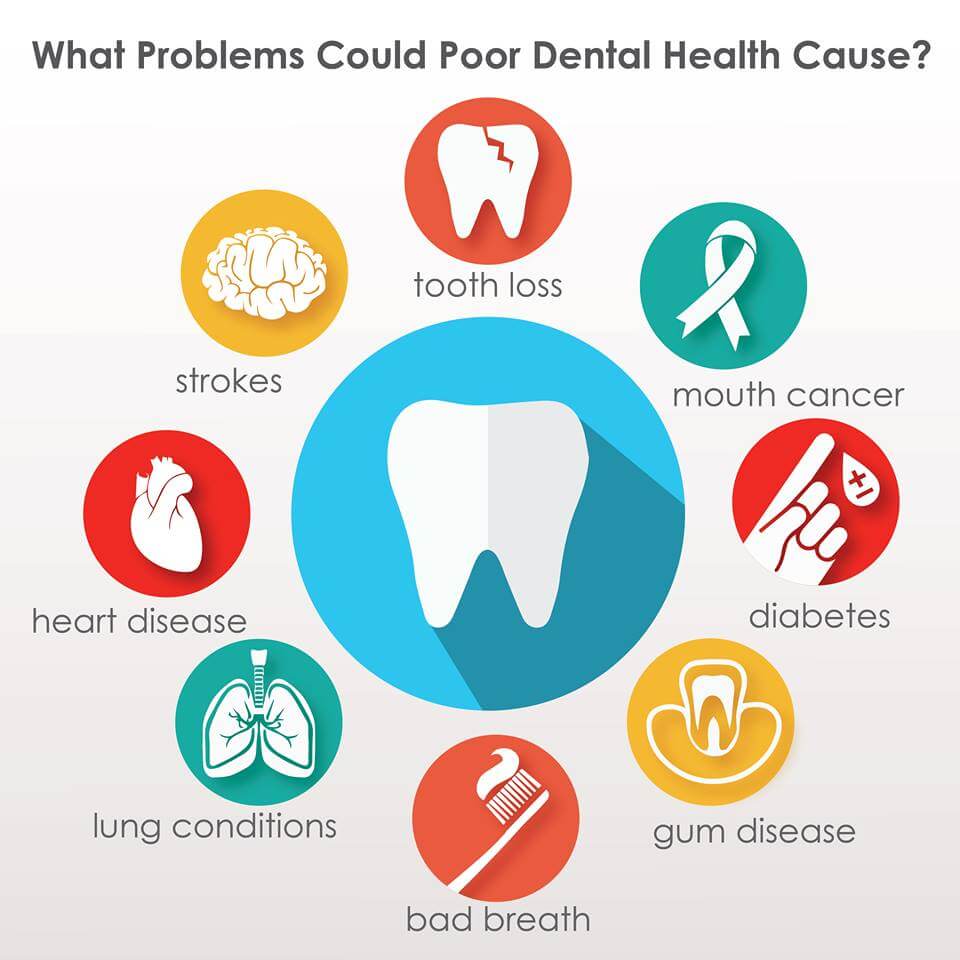
What is the relationship between tooth problems and type 1 diabetes? According to the ADA, periodontal disease is far more common in those who have diabetes. The improper control of blood sugar does cause a lot of side effects, especially when they’re not managed. 

Type 1 diabetes causes the following oral health conditions: 

  • Dry mouth because of not enough saliva 
  • A higher cavity risk 
  • Gum disease such a gingivitis and periodontitis when not treated 
  • A potential issue with tasting foods 
  • Higher risk of infection such as oral thrush. 
  • Slower wound healing 
  • Younger children might have teeth erupt far earlier than their peers do. 

It’s vital that you recognize these issues and treat them early, so you’re able to inform yourself of what you wish to do.

How to prevent oral issues in those with Type 1 Diabetes 

You can start to build that healthy link between dental health and type 1 diabetes. The first step is to know how to control your blood sugar. Diabetes causes issues with fighting off the bacteria, so getting rid of plaque is the first step for avoiding gum disease, and cavities as well. 

The improper control of blood sugar also increases the risk for dental issues. But the good news is that treating your gum disease may help with control of the blood sugar that you have. 

The best prevention tips are below: 

  • Follow the recommendations for controlling the blood sugar from the doctor 
  • Brush twice during the floss once a day to get between teeth 
  • Promote the production of saliva by chewing gum that’s guar free 
  • Avoid tobacco and smoking, as they dry out the mouth and are a bad oral habit 
  • Have a healthy diet, so that you’re able to take care of your oral health regularly 
  • Talk to your dentist on the regular and stay abreast of the possible problems that come with this. 

Diabetes can be a troublesome condition to manage, but with these tips, you’ll be able to keep your oral health strong. 

Pre-Implantitis and the Protection of implants 

Dental implants are wildly successful, with a rate of up to 95%.   There are many replacement options for missing teeth, but this takes the cake. However, just like your own natural teeth, you do need to care for implants so that they last. 

Peri plantains is an infection of the areas around an implant, and they can develop when you’re not careful with the implants and give them what they desire. 

First, what’s a dental Implant 

Dental implants are made to replace your teeth.

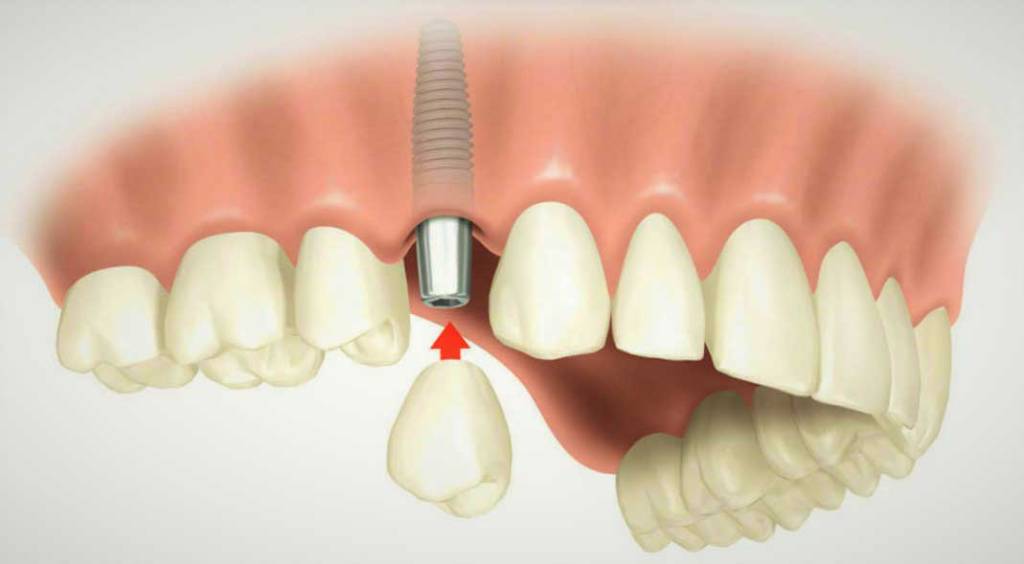
There are multiple parts, which include an artificial root made of titanium, and a crown that sits atop this. 

They’ve become a very popular dental prosthetic option, with multiple advantages. 

They include: 

  • Offering you a chance to have a functional bite and an option to chew. 
  • They don’t come loose or slip, unlike of course, dentures. 
  • They look like natural teeth while not developing the activities that are there 

But dental implants are not immune to the buildup of plaque. 

In fact, the accumulation of plaque at the base of your implant is what causes peri-implantitits.   According to the American academy of periodontology, this s a gum infection that happens around your implant, and deteriorates the ties used, along with the bone that surrounds this implant. 

So how common is this? well, about 40% of the implants that are over five years old are susceptible to this. 

When you don’t treat this, it does lead to implant loss, which you have to be careful with. 

Caring for your implant 

The benefits of implants are that they last a few years, and they can save you the expense and disruption of some of the conditions that may happen. 

Now to prevent the inflammation of the area around your implant, you just have to have a good hygiene routine. 

This includes: 

  • Brushing and flossing twice daily. 
  • Depending on where the implant is and the number you have, use interdental brushes or water flossers to help with this 
  • Talk to the dentist and routinely check for healthy gums and bones 
  • Stop smoking. If you do smoke, this increase the chance of implant failure 

If you have diabetes or gum disease, there is a stronger chance of peri-implantitits developing, so talk to your dentist about further steps to take 

You can also prevent further decay on your natural teeth if you do prevent this on the implants. 

Symptoms and Treatment 

Now, if you’re worried you might’ve developed this, here are a few things to keep in mind: 

  • The gums will be tender and inflamed. 
  • They might bleed when you brush 

If you’re worried, you should talk to your dentist to figure out the concerns, and to report all changes during dental visits. If you do develop these symptoms, don’t hesitate to tell your dentist in order to resolve the infection and avoid the instances of implant failure. The treatments of this do vary based on what’s being treated, the implant type, the severity of this, and other small notes. Every treatment has benefits and drawbacks, so find out from our dentist what is right for you. 

Some are more effective when they work well with other treatment options for you too. Some treatments have some good benefits too, and they do work well. 

Antibiotics are the first option, as this can help right around the implant. 

Sometimes, you might need to use mechanical removal. There is also laser therapy for destroying the bacteria at the source. 

Finally of course, there are surgeries that are used as a last resort. 

Crowning front teeth 

For some people, they might need a dental crown in some cases. In some instances, it may be needed directly on the front teeth.  Some also get crowns for different cosmetic reasons too.

Most normally, crowns are put on teeth for the reasons below: 

  • There’s a lot of damage, including big cracks 
  • It’s super decayed 
  • There’s been a root canal done on it 
  • It’s broken 

When it comes to molars, they usually offer either porcelain or a metal crown, or a combination of both, which has porcelain that’s over the top of metal.

When it comes to front teeth, you might get porcelain or ceramic options for front teeth, as they offer a natural color that’s better than others. 

You may wonder how strong these can be? Well, while porcelain fused to the metal is much stronger, the front teeth don’t require the chewing capabilities that the back teeth do, so durable metal in most cases is not needed.  If you need a specific type of crown, you can always talk to your doctor, and see if they can get you something that will help them. Crowns are great, but always remember that they cannot be a replacement for actual teeth, so make sure that you continue to take care of your teeth as best as you could to keep them nice and healthy for as long as possible. 

Minimizing Front Crown Appearance 

A lot of dentists will match the crowns to one’s natural looking teeth so they’re not out of place. 

However, keep in mind that they won’t be able to be whitened.  You should get a whitening prior to the crown being placed. If it’s matched before they’re whitened, they’ll look much darker than the other teeth.

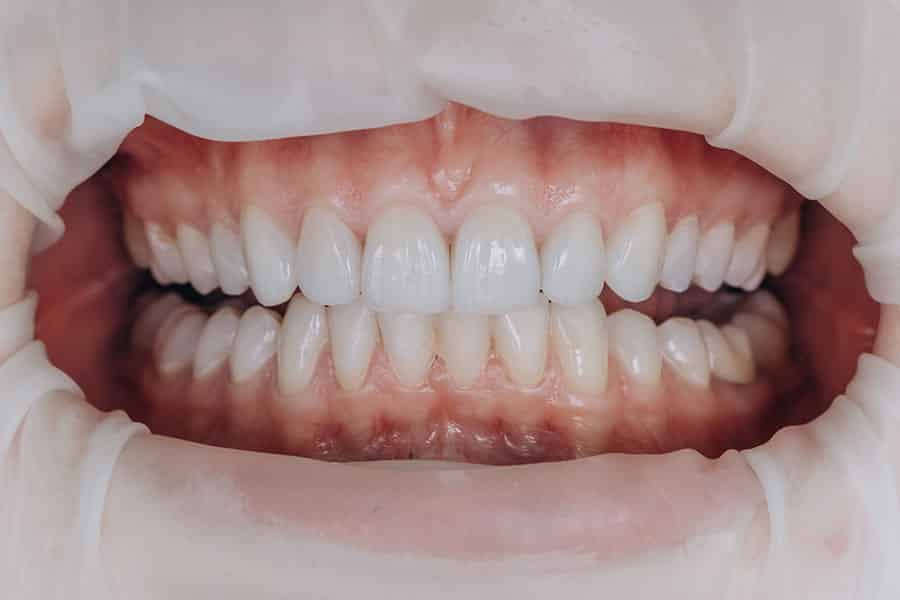
Hollywood smile with porcelain crowns and veneers

The materials also tend to make sure that you have a look that’s realistic. Porcelain is the most natural looking of these, and usually, this, along with the metal bonded ones are the main choices. However, metal bonds are far less realistic, due to the opaque nature of these. Then there are the tooth colored ones which are the most realistic of them all. 

Caring for this 

Crowns are a little bit fragile, so it’s imperative that you take care of these with as much care as you possibly can. Try to brush this twice a day, especially with some fluoride, and make sure to use floss to clean between each tooth daily. Interdental devices also work for this.

You also need to make sure that you see the dentist as much as you can, to make sure that they’re not damaged, and are completely stable. 

You should always make sure not to crack the crown, because there are habits that are harmless which can crack or chip this porcelain there. biting your nails, chewing on some ice, and using teeth to open things are examples of habits that can harm your teeth.

You should also make sure to avoid anything that stains the teeth, including but not limited to red wine, tea, and coffee.  Also, if you smoke, try not to do that, as this also stains the teeth. While porcelain is not easy to stain, the teeth next to it start to get stained, so the crown will be much more obvious.

If you’re worried about crowns potentially ruining the smile, don’t be. Crowns are great for helping you keep your smile intact. Plus, with the technology we have today, you don’t have to worry about it possibly looking weird, because new precautions are taken every single day to ensure that it’s in place. 

Back to School Oral Care Kits 

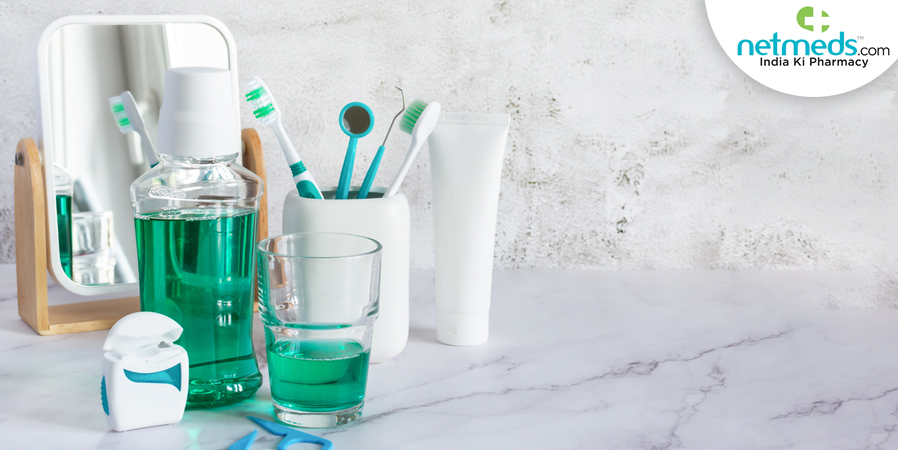
With the school season always a focus for many parents, oral care is something that’s oftentimes not fully looked at, due to the flurry of haircuts, shopping, schedules, and even new seasons. When a child’s starting a new grade, putting together oral care kits for kids is perfect. That way, they’ll be able to walk into classrooms wearing the hottest accessories for the school year: bright, healthy smiles. Different kits vary based on age groups, and you’ll be able to experience your full journey with this. 

Planning these Kits

When putting together these kits, you want to get into good habits first and foremost, so that it sets up the family for success in the long term. 

While the weeks leading up to this feel like they’re forever, you should know that the health of a child is a critical part of starting this calendar. 

When you’re prepared for healthy routines, you’ll be able to kick things off in a strong manner. 

Taking time to schedule dental checkups a month before they begin, and even stocking up on oral hygiene and other items, and even good snacks is good.  It sets them up for a future of bright, healthy smiles. 

Now for kids ages 5 to 8, they probably don’t have a regimen down yet.  But don’t ferret, that’s normal. The simplest solution is to have reminders that’ll help them brush and get them to do this.  getting them to brush for 2 minutes, and then having them do this twice a day, especially before bed, is good. Sticker charts are a great way to keep one on track. 

These oral kits need to include: 

  • New toothbrushes of their choice.  You should make sure to change every quarter, as they are good for remembering to keep them clean 
  • Mild toothpaste with fluoride in them, so that they get a fun, exciting flavor 
  • Flavored floss or even flossing holders 

For kids 8 to 12 years old, they’re preteens, starting at new life stages, and teeth usually start to enter a new stage, which is the braces stage. It’s recommended that children get their first orthodontic checkup at the age of seven or so.  When setting this up, you can also ask your dentist for referrals to orthodontists if you’re worried about teeth alignment. 

When you put together a dental care kit, having these supplies in their gym bag, along with deodorant and shower gel, will help them stay on top of their oral health. 

Finally, you can get them an electric toothbrush. 

Their oral kit should contain: 

  • Battery powered toothbrushes for home, and a soft-bristle toothbrush on the go 
  • Fluoride toothpastes of choice 
  • Flavored floss and a flosser 
  • A small pouch to hold this 

Then at ages 12 to 18, you want to focus on the stress of teenagerhood.  They are definitely something that you’ll want to keep on hand.  You should give them a reminder either in their phone, or even notes. 

Adolescence is usually the best time to focus on keeping the cavities away, and brushing with fluoride types of toothpaste and treatment is good.  You want to make sure that you have good oral care, and also eat a diet that’s healthy and nutritious, in order to give teenagers healthier mouths. 

Their kit must include: 

  • Portable, manual toothbrushes that are good for their gym bags, or even a tongue cleaner 
  • An electric toothbrush that’s battery powered with different settings 
  • Travel mouthwash 
  • Fluoride toothpastes of their choice.  

These are all good for their bags to get them on the right path to oral health and success. 

Effective Ways for Removal of Biofilm 

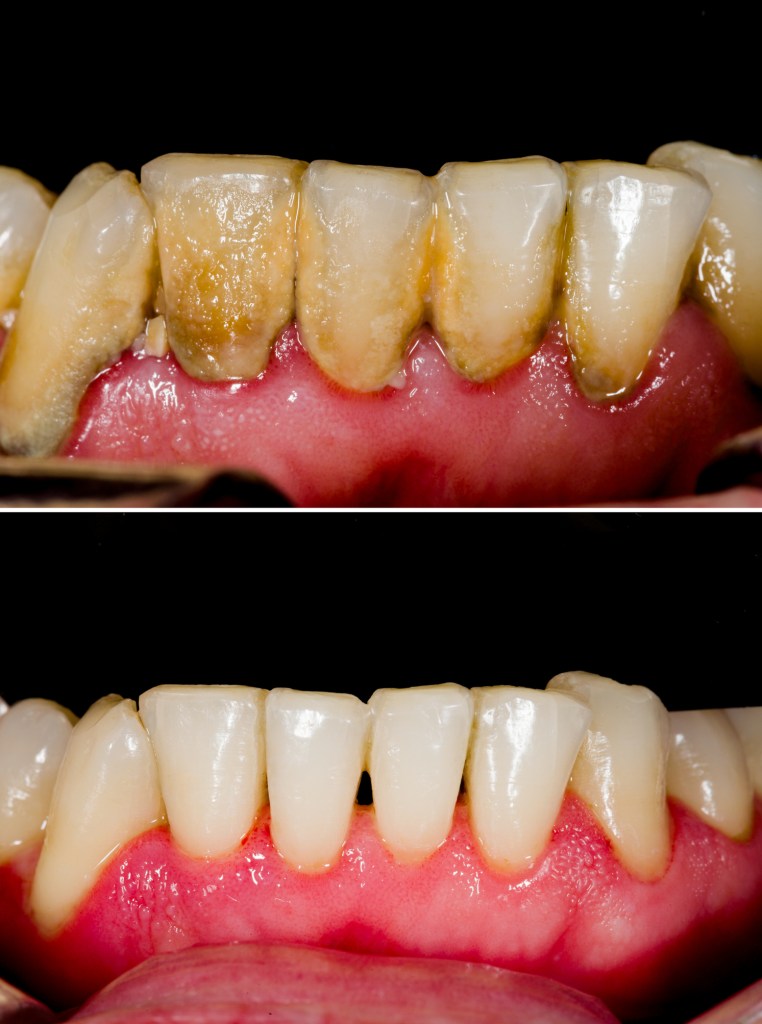
Biofilm is that technical term for the plaque that’s on top of the teeth, white and sticky. Removing this biofilm from the tissues and the gums is vital for one’s oral health, and here, we’ll give you the best ways to remove it.

What biofilm is 

This is a layer made up of bacteria that happens inside and outside of the body. It’s a plaque that forms on the teeth and gums, and when not treated, it causes cavities, gingivitis, and gum diseases. 

Plaque does need to be removed because it can create tartar if you’re not careful. This is calculus, which you’re unable to remove at home. So yes, get rid of it now to save your teeth at the dentist. 

With that said, here are some biofilm removal means to use right now! 

Brushing 

The most obvious, but you should brush with  a soft-bristled toothbrush for two minutes, two or three times a day for plaque removal. Most who don’t brush their teeth  are going to very superficially do this, so the biofilm will be there on the gumline and teeth.

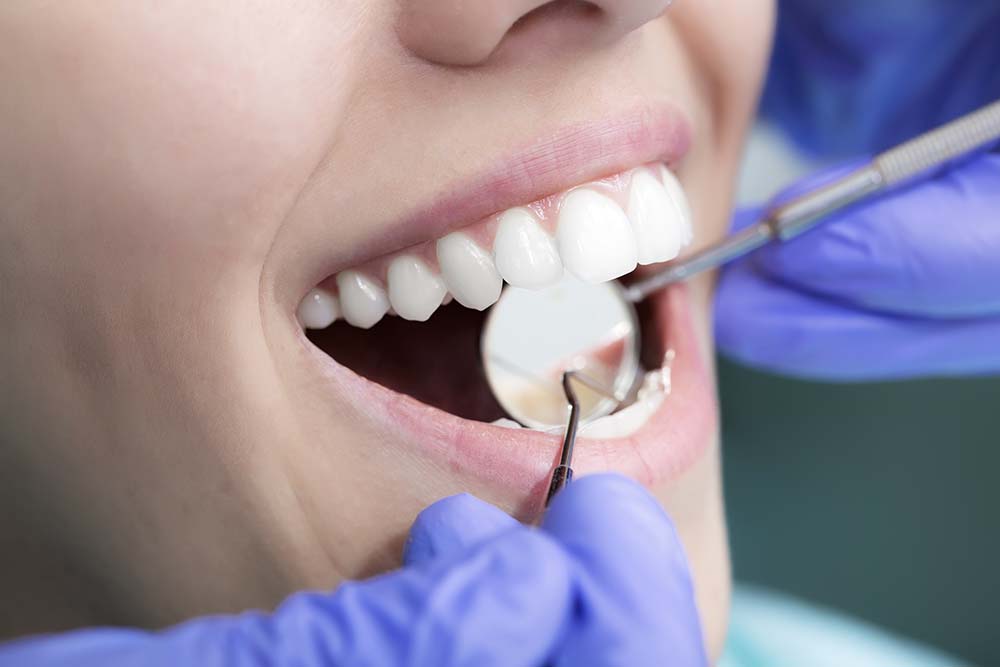
Young woman patient at dentist’s office – Closeup picture taken with macro lens

After meals are good, and setting up the timer for two minutes is good. Brush with fluoride toothpaste so that you can reduce the plaque bacteria’s acids that are harmful. It also naturally injects minerals in there that are otherwise removed from your enamel.

When brushing, utilize some short back-and-forth little strokes or circles to clean these outer surfaces, inner parts, and chewing surfaces for all the teeth.

Remember to try to brush around the gumline on the back teeth. These are often skipped, so being diligent about it now will save you a massive headache later on.

Flossing 

Another habit that’s skipped and it should not be, because brushing does not remove everything, since it does build  up between the teeth areas, or underneath the gum line and other harder to reach areas that toothbrushes are limited too.

Flossing once a day with a flosser, interdental brushes, for a water flosser is good.

Some people may struggle with this, but you have to do this. if you’re still having issues, talk about other means, and ask for demonstrations to ensure you’re good. 

Pro cleanings 

Professional cleaners remove bacteria. 

Even when you floss and brush on the regular, you cannot remove the bacteria fully. When that remains on the tooth area, you suffer from gum disease and oral health issues. 

In general, you should get cleaned every six months. They will look and remove the plaque and tartar that are above and below. That way, they can find the hidden plaque and get you cleaned up! 

Mouthwash 

Mouthwash contains a lot of ingredients designed to prevent or get rid of biofilm. Fluoride for example is a huge anti-plaque component, and is used for strengthening the enamel, and protection against your cavities. 

Do this once daily, after tooth brushing, so you don’t fully remove the fluoride added. 

Lifestyle and Diet 

Bacteria love sugars and starches. So yes, if you eat a lot of cake, soda, and candy, you’ll get these. The same goes for chips, crackers, and bread. 

Enjoy all of this in moderation. 

However, also be mindful of other types of harmful activities, such as smoking tobacco, because this messes up the bacteria, and restricts the flow of oxygen to the gums, and makes it easier for the plaque and bacteria to grow. If you’re smoking, try to quit, or use alternative means to help you get off the cigarettes. 

It can be removed. All biofilm has a chance to be gone, but it’s up to you to get rid of it. 

Do Tooth Worms Exist? 

Did you ever wonder if there is a “tooth worm” that eats at the teeth inside, which is what creates the toothache? While the tubules and dentin within the pulp that’s disease do look like a worm, there’s not actually worms in your teeth, even though they do look like this.

The Tubules 

Tubules in dentin are little tubes that are hollow and sometimes cause diseases. They’re seen only with a microscope, and they do look like worms according to the ADA. The dentin tubules have a specific job which is pretty important. That is to conduct the sensitivity that’s there when exposed to heat or cold on the surface of the tooth all the way to the nerve. 

But there are some instances where discomfort and pain occur when you expose the tubules.  They do look like worms at first when you look at them with a microscope. However, they are not actually worms. 

The Cause of Dental Disease 

If it’s not tooth worms or problems in gums, what’s causing these toothaches? 

The most common cause is bacteria, or plaque that forms on the teeth. They decay and play the part of the villain for people. 

Plaque is where it forms when there is a lot of buildup near the bacteria that’s within the teeth. It leads to gingivitis and gum disease. It also causes periodontitis, which affects over half of Americans that are above 30 years old. 

The treatment for Caries 

While there’s no actual worms there, there are treatments that come with this.

Some of the treatments include: 

  • Cleaning out the teeth, filling them with restorations 
  • Preventing the pulp that’s there from being hurt further and dying, with a capping of the pulp 
  • Performing root canals on affected areas 

If there is a lot of decay there, to the point where it can’t be salvaged, more than likely they’ll just take it out via extraction.  Usually, they replace this with implants, or bridges. Ideally, it shouldn’t get to that point, but you never know. 

Overall, your dentist will give you the right treatment. If there is periodontitis, then chances are they’ll also have you get a scaling, which is a deep cleaning of the mouth. This can prevent further worms from burrowing in, giving it a deep cleaning that’ll really work its magic. 

Keeping the Mouth Healthy 

While you shouldn’t worry about worms, you’ll want to make sure that you keep the mouth clean and healthy. 

The best way to treat caries is to prevent them before they get worse.  What’s the best way to prevent this though? 

Well, the best ways are as follows: 

  • Brush your teeth twice daily for two minutes with a fluoridated toothpaste 
  • Floss once a day to get in between the teeth 
  • Rinse out with a mouthwash that’s antibacterial, and ideally alcohol free so that you don’t dry out the mouth and invite the cavity causing bacteria in 
  • See the dentist every six or so months to get a checkup and to look for any possible problems that might occur 
  • Have the teeth that are damaged examined and taken care of as soon as possible, in order to mitigate the damage that’s there 

With a lot of advancements in modern medicine and dental science, you want to make sure that you take the time to ensure that this is properly taken care of. 

Practice good oral hygiene practices, and from there you won’t have to worry about the dental worms. They’re for the birds then, rather than for your teeth. 

The role of Abutments in Dental Implants 

When we think about implants, we rarely focus on the nitty gritty. That is, until you’re the one who needs the implant.  Suddenly, you start to look at this and wonder just what abutments are, and why they’re going to be in your mouth. 

If you’re going to replace your teeth, you may wonder what some of the important parts of it are, which we’ll go over here. 

What Abutments are 

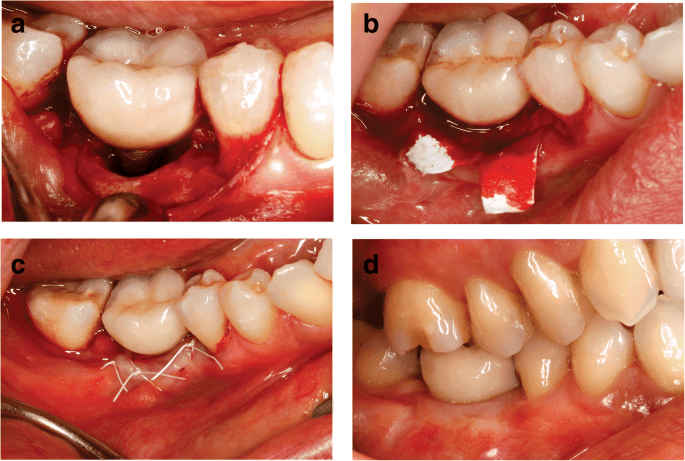
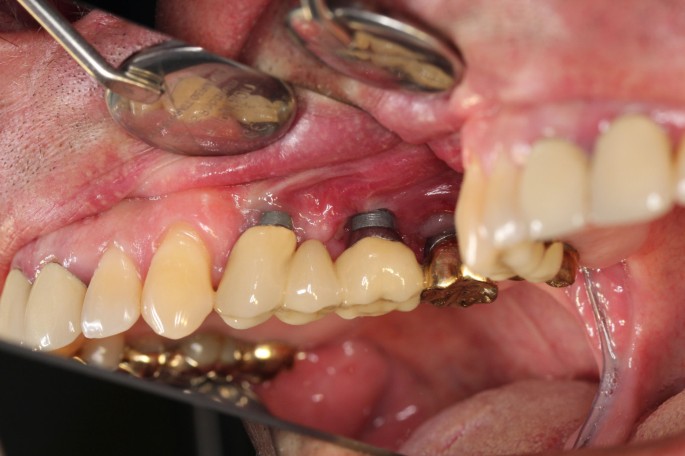
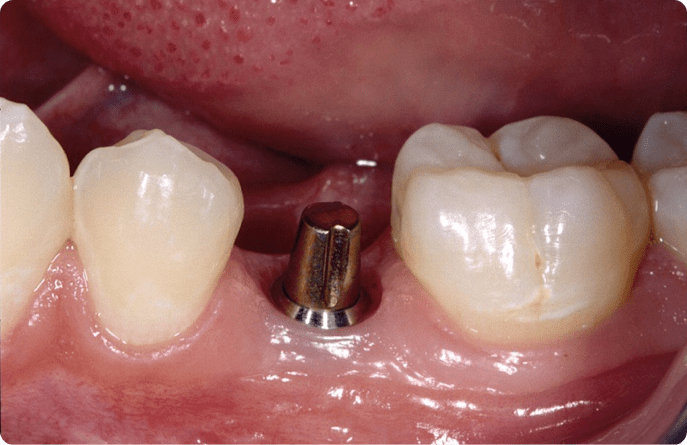
Abutments are a connector made of metal, and for dental procedures, they’re put into implants after it’s been healed.  The abutment basically screws directly into the implant, and is the middleman between the implant itself, and the crown, or fake tooth, that’ll be there. 

For those with dental bridges, the crowns are put on two of these abutments, and then are connected to these other teeth that are replaced called pontics, that will sit over the gums. 

Abutments are usually created in labs, made of gold, titanium, zirconia, stainless steel, or even polyester ether ketone.  Placing the abutment is a small procedure, and usually, they’re done with only local anesthesia for pain. 

What are implants 

Well implants are basically metal fixtures that work like tooth roots, and they’re put into the gums and jawbone.  Essentially, they get anchored to your bone through the process of osseointegration where ethe bone gets directly fused to your metal. 

It offers stability to both the abutment and crown, which is on the same level as actual teeth.  It can take up to 12 weeks for these to heal once you get implants. 

If you have a dentist that says that the jawbone isn’t strong or thick enough for support of this implant, then a bone graft might be recommended. In this, oral surgeons take bones from another part of the body or will use synthetic bone in order to attach this directly to the jawbone.  This offers a sturdy support for these replacements until the bone is able to heal tightly around this implant. 

Regardless of Type, you need good Hygiene 

One thing that’s important is regardless of the implant, or a crown or even a bridge, you have to practice good oral hygiene. 

The implants work in the same manner as your regular teeth do, where you’ve got to brush this twice daily, along the gums and then sweep towards where both biting parts of the teeth are. 

Cleaning between the teeth with water flossing or interdental brushes at least daily is important, and you should have tongue scrapers or antimicrobial mouth rinses. 

When you do this, always check with a dentist for a regular appointment, not just for keeping the teeth perfectly right and to get rid of bacteria, but also for the implant’s health.  You should take some x-rays in order to check the bone area around the implant.  You should also look at the gum tissue that’s near this area, ensuring that it’s free from the inflammation which may be there. 

Now that you know a little bit about implants and abutments, you’re in for a treat, and you’ll be able to have good, informed conversations with dentists. Good luck with this, and make sure that if you have replacement teeth, always take care of them like you would with regular teeth, so that they work just like the real thing. With the right care, these replacements can last the rest of your life, which is definitely something to smile about. 

Protect your teeth, and protect them all, so that you can have the best oral health that you can, in the best ways possible. 

A Brief history of Dentistry 

Dentistry has come a long way, and here, we’ll go over some of the different historical practices that were used, and what was done to take modern dentistry to where it is today.

Ancient Techniques 

Density is actually a very old medical practice, with it dating all the way back to 79000 BC, and seen in the Indus valley.   However, the descriptions of tooth decay were first seen in Sumerian texts. However, these were wrong, and they talked about tooth worms that caused tooth decay. Obviously, that isn’t the case.

However, Aristotle and Hippocrates did write about the treatment of decaying teeth. Back then they used fine-tooth combs, in order to ensure that their teeth were cleaned. These were made from the hair of animals. They also used toothpaste, but tit was a very abrasive product. 

The Middle Ages 

The middle ages saw some dentistry as well, except these were in the form of magic and myths, which have since been disproven.

Back then people thought that teeth were magical items.   They were also used to protect a child from fairies. 

The Europeans did believe that witches would curse people with their teeth, so they would dispose of them either through swallowing, burying, or even burning their teeth. Some fed them to rodents, or were even just thrown out. 

Tooth decay was again thought to be caused by a tooth worm, which they thought burrowed into a tooth like it did with wood.  Some of the remedies for this were interesting.   While some were more normal like burning candles made of eryngo seed and sheep suet near the teeth, others were quite interesting, such as kissing a donkey, as purported by Germanic legend. 

Some even said they should not clean their ears, as the practitioners did advise against cleaning up the ears to prevent this. obviously there was a lot of false information which would not be disproven for another few centuries. 

The Beginning of Modern Dentistry 

Remember the idea of tooth worms? Well that was thought to be a thing until the 1700s! However, in 1530 there was a little medicinal book that talked about the infirmities of the teeth, which was devoted to dentistry.

The first dentists were seen in the 1700s, with Pierre Fauchard in 1723, being the father of modern dental practices.   He wrote a whole comprehensive means for treating and caring for teeth. He was also the first to introduce fillings, and dental prosthesis. He also figured out that sugar and acids were what caused dental decay.

The first dental college was founded about a century later in 1840, and this was the Baltimore college of Dental Surgery, which was something that seemed to be popular back then.   The ADA was formed in the 1860s, 20 years before the first dental practice was founded in Alabama. 

Then of course, the first dental institution and university was the Harvard University Dental School, which they founded back in 1867. 

Colgate was the first to make modern toothpaste, which was made in 1873, and toothbrushes were founded a few years after that. 

The first x-ray was used in 1896, and more systems for crooked teeth developed here. Obviously, when we look at where it’s come today, we have a lot more to work with.

Various cleaning devices that get deep like the cavitron are popular. There’s also various technology to see directly any malicious tissues, such as cancers and growths.   With the evolution of dental care, we see how far it’s come, and how through this constant evolution, we are able to care for more people than ever before. 

Helping children Floss

One thing that a lot of parents need to teach their child is proper oral care. While brushing twice daily along with flossing come together to reduce tooth decay and gum disease, the one that a lot of children have trouble with is flossing.  You can learn how to help children clean between the teeth with their floss, encouraging them to keep up the habit for the rest of their life. 

When to Start 

Children need to start flossing when enough of the teeth that they have start growing next to one another. Bacteria settle in between the teeth, which leads to tooth decay, and gums which are inflamed. Parents usually have to floss the kid’s teeth usually initially. It’s vital to also be gentle when you do this, as this can sometimes be a bit sore afterwards, and crate gums that are bleeding. Keep it gentle, so that you can teach children the vital nature of this habit. 

Getting Children to Floss Better 

If you’re dealing with a child who is against flossing, or hesitant on doing this, you’re not alone. When you clean between the teeth, this is challenging, but there are a few ways to make it fun for them. 

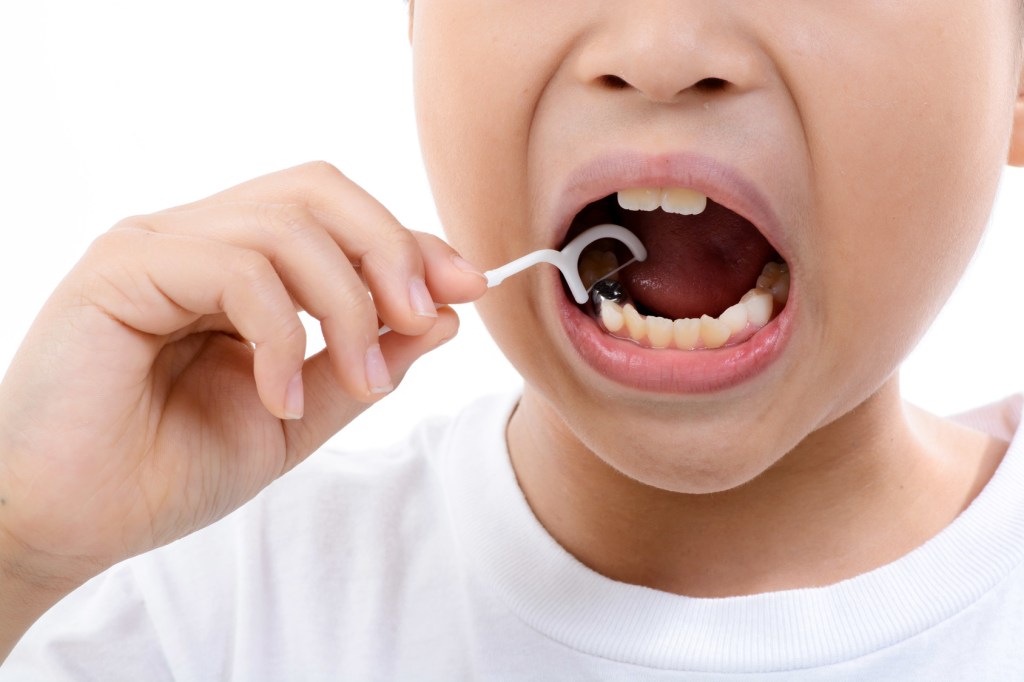
Close up Young asian boy useing toothpick to clean his teeth on white background.

Some of these include: 

  • Demonstrating the way flossing works 
  • Rewarding correct flossing 
  • Singing different songs 
  • Letting children pick out the products they need to use 

You can show them how flossing removes this debris pretty easily. First, you want to eat snacks including fruit, leafy greens, and the like, something that usually gets stuck between a person’s teeth. You then demonstrate the correct technique for flossing, so you can provide children with a visual on just how this works. Then, you want to make this a habit, by having them put together a calendar that demonstrates their oral care. Whenever they do something correct, they get a sticker. Then, as  they accumulate the stickers, they can get rewards for it. 

Sometimes, singing works too, as it can help get children engaged and excited for flossing. 

Flossing for Kids 

If you’re wondering the best way to floss a child’s teeth, you’re not alone. 

You can actually do this in just four simple steps, provided that the child has enough teeth to make this a reality. In fact, once the floss is there, you can then continue, and from there, build the best means for you to get the results you want. 

  • First, you want to get about 18 or more inches of floss, but not a ton of it. 
  • Wind a bit of floss around the index finger and the thumb, at every single end until there’s a small section of floss a person can use between their fingers. Then, you want to slide this between the teeth of a child.
  • Angle this so that it creates  a C shape that curves around the teeth, sliding the floss along the sides of your teeth, and then underneath the gum line 
  • Using a fresh and new floss section, repeat this each time so that the biofilm and the food doesn’t get put back in there, because that can happen 

If this is hard for them to do, or if it’s not comfortable, the best way for a child to manage this at this point is either water flossers or interdental brushes that clean up the teeth, preventing further discomfort from happening.

With all of this, you as a parent will be able to ensure that the child gets proper care, and they’ll be able to grow with this, building better health habits.